Image


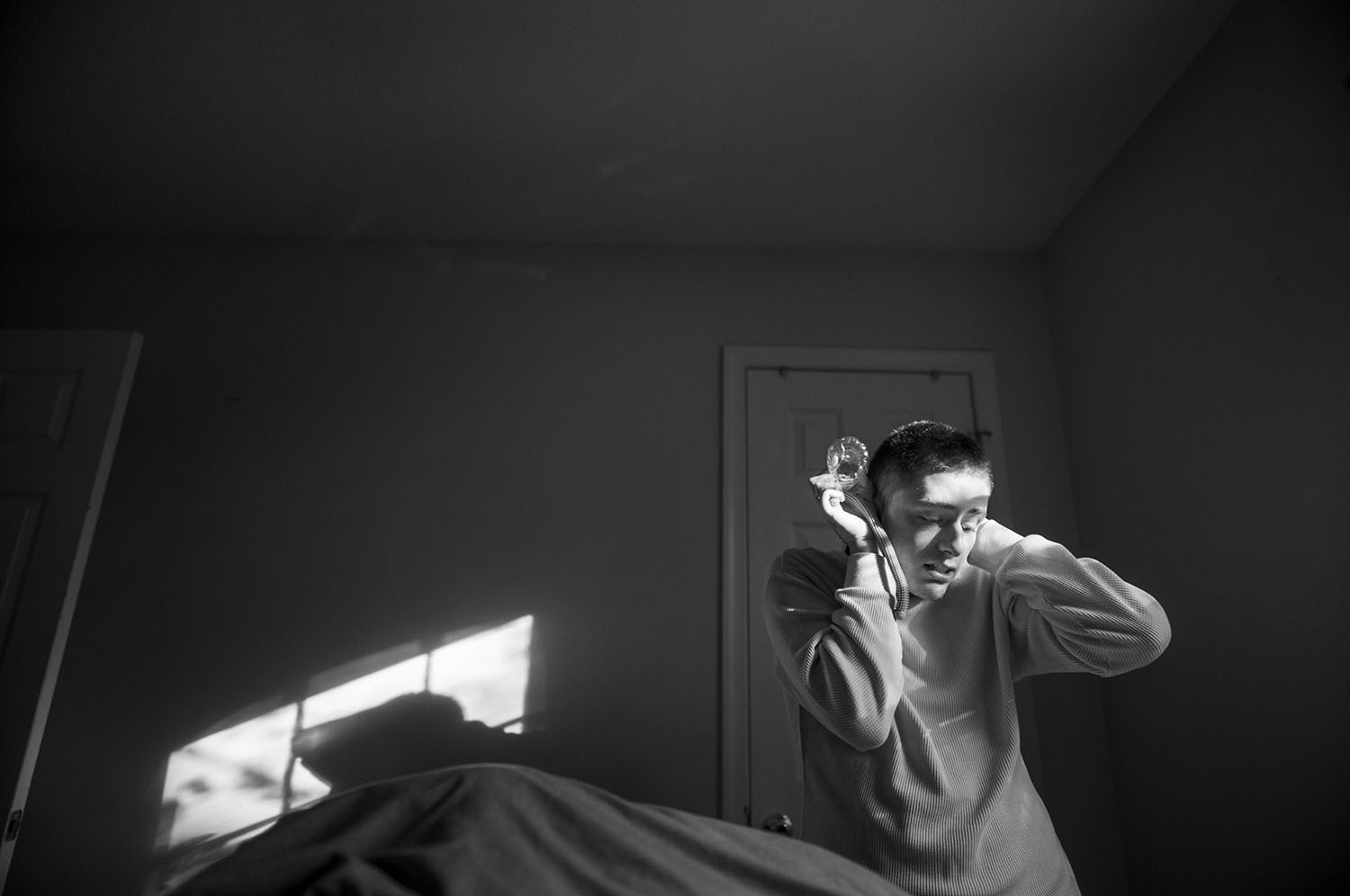

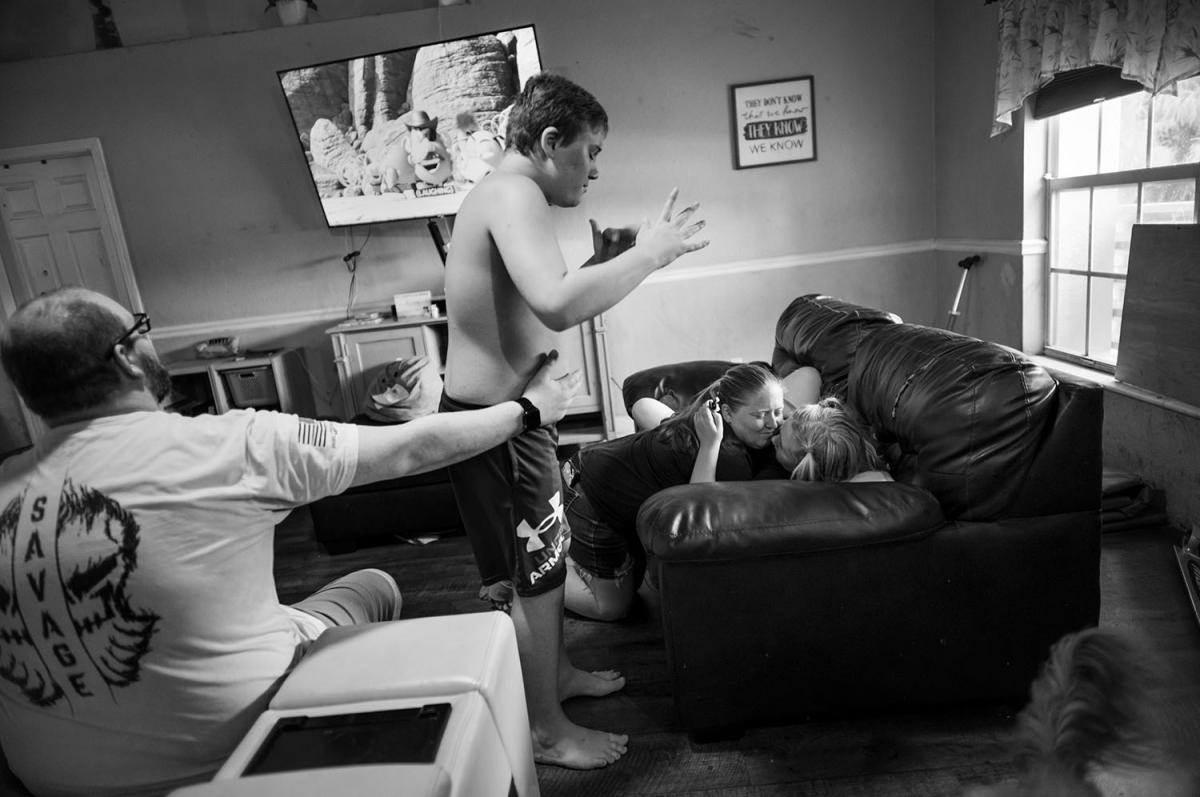

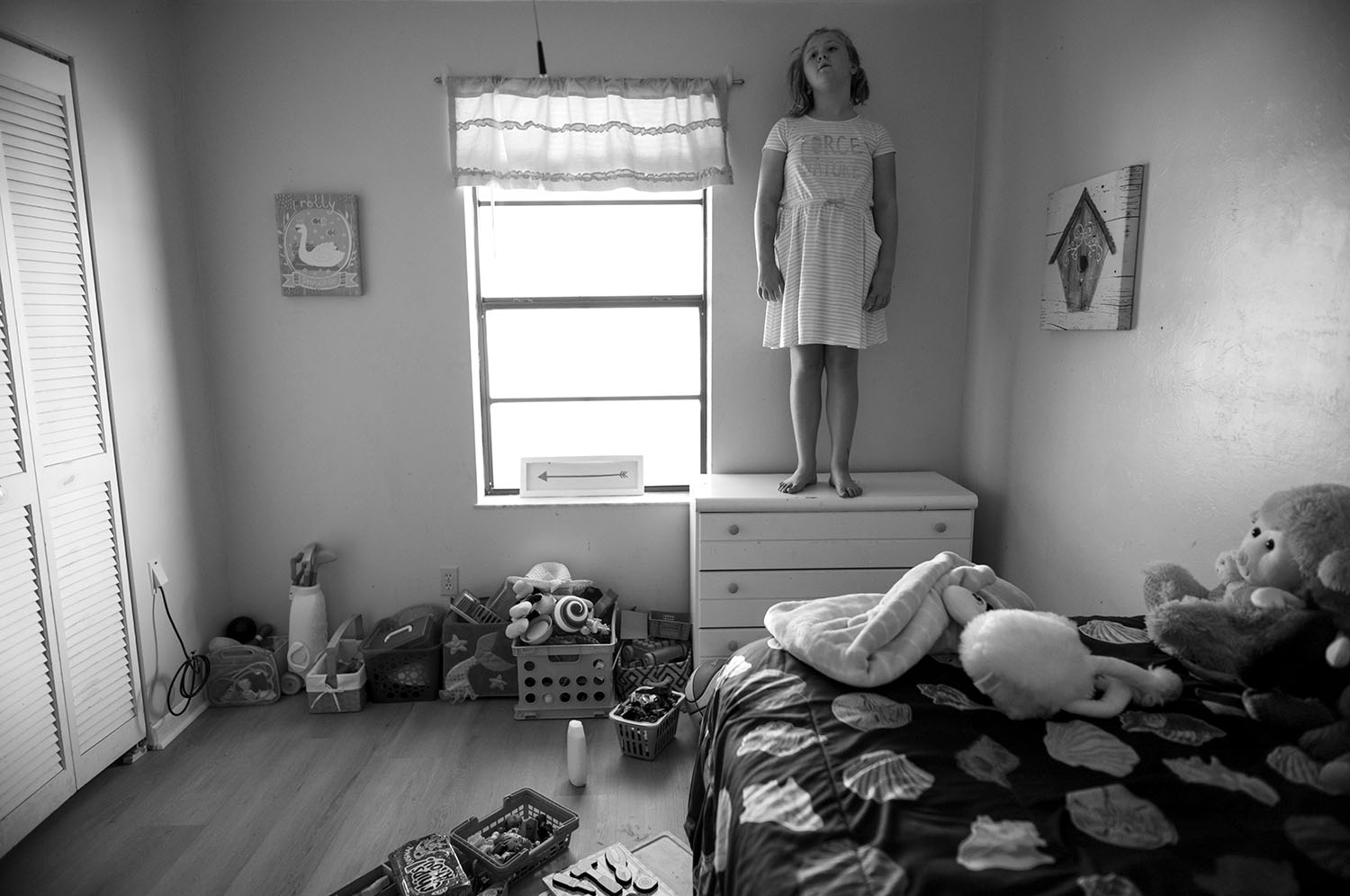
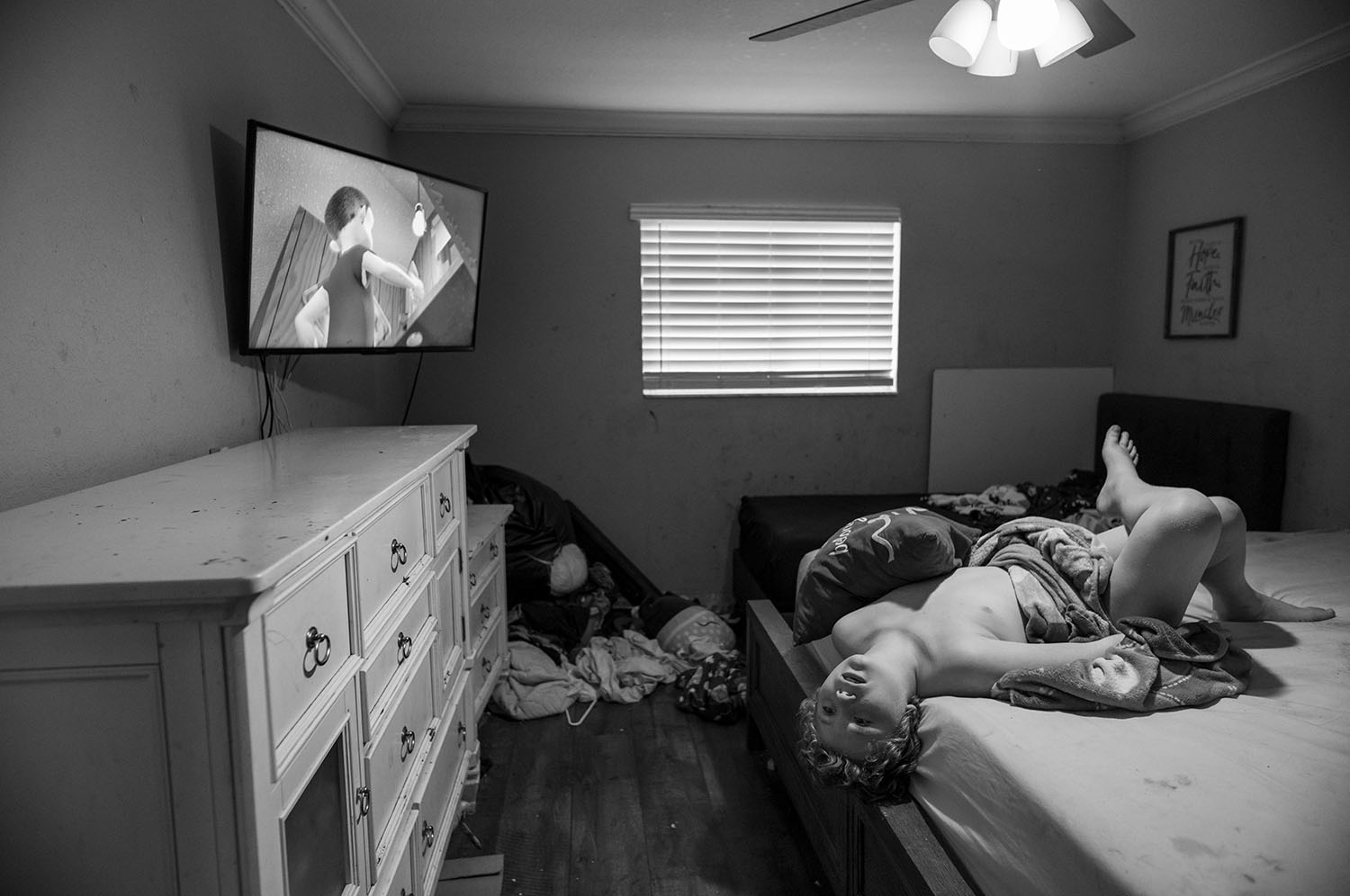
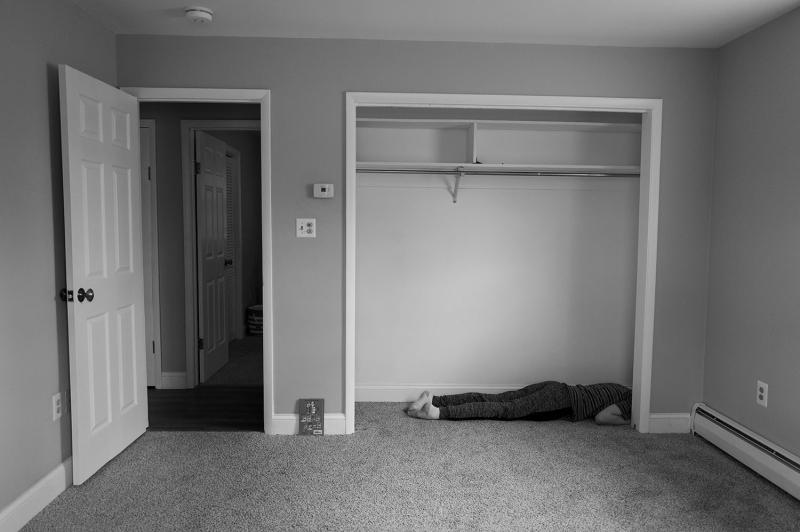
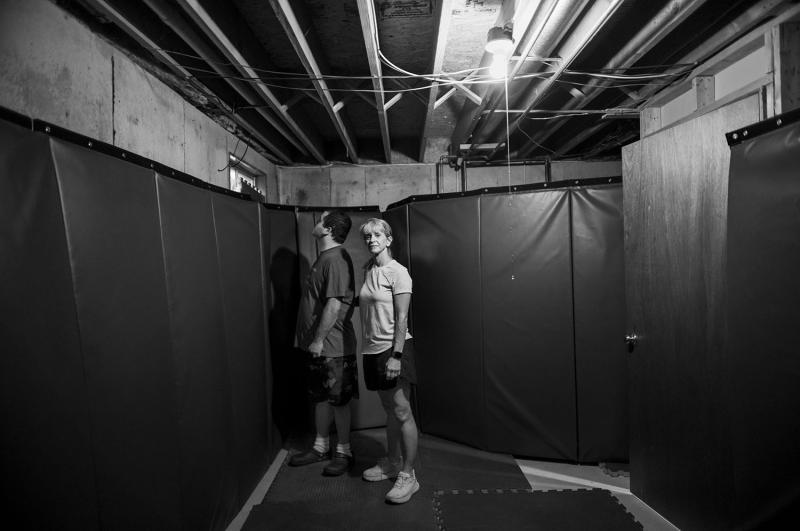
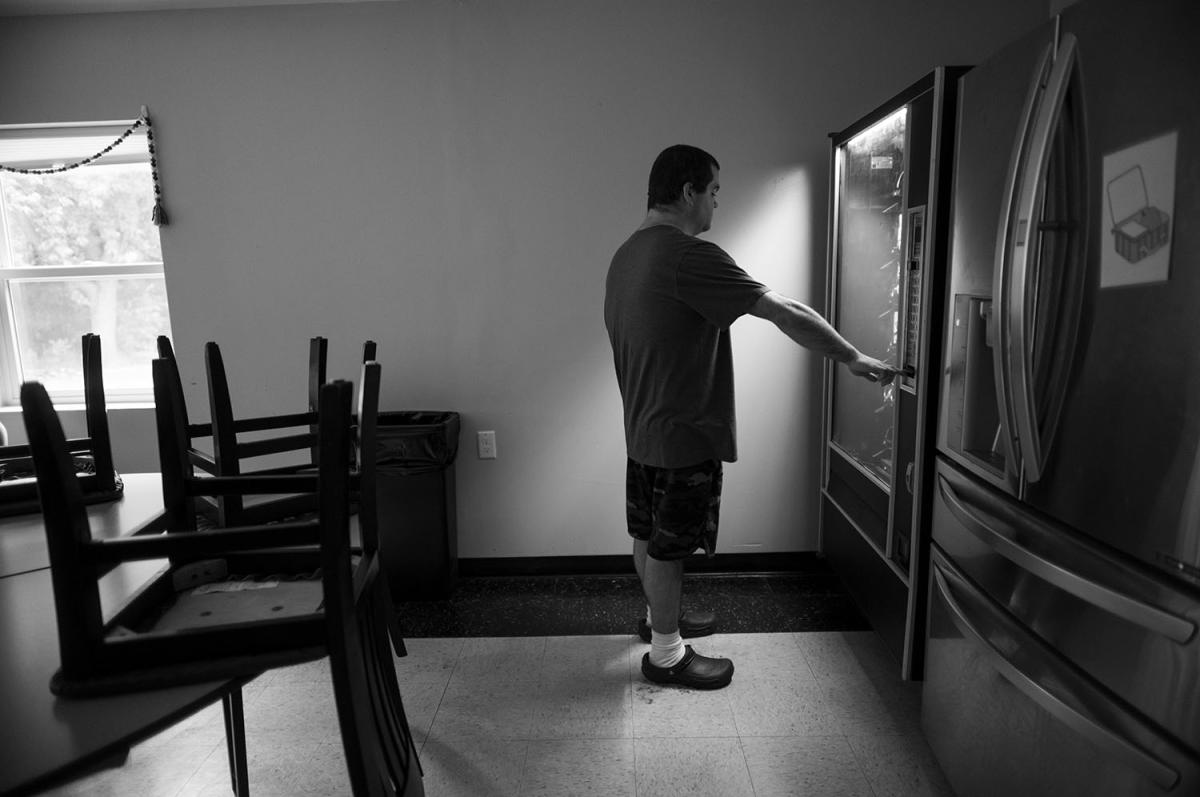
In an Illinois hospital, Luke Cullen, black-and-blue from punching himself in the face, lies in a bed with his hands strapped to the rails so he doesn’t attack the nurses or his mother, Jamie, whose entire upper body is covered with bite marks from a previous meltdown. In a Pennsylvania group home during a visit from his parents, Donna and Chris, Nick Pirozzi paces restlessly from the kitchen table to the cabinet to the refrigerator while two aides hover nearby in case he suddenly becomes violent. In a backyard in Florida, Greyson Siegman plays with a garden hose behind the six-foot-tall privacy fence his parents, Danielle and Robert, installed after an anonymous neighbor, disturbed by the sight of the teenager outside in just his pull-up, called Child Protective Services. Inside the house, Greyson’s younger brother, Will, watches three screens at once—including one playing, over and over, the opening credits to The Young and the Restless—while his sister, Mallory, anxiously protests (“One, two, three, Mama please!”) whenever Danielle stops snuggling with her on the couch.
Nick, Luke, and all three Siegman children are profoundly autistic. Beyond the core deficits of autism—rigid, repetitive behaviors and difficulty with social interaction—those with profound autism also struggle with significant intellectual disability, minimal or no language, and a range of challenging behaviors that can include aggression, self-injury, property destruction, and elopement (the tendency to run off with no caution or awareness of danger). According to the Centers for Disease Control and Prevention (CDC), more than a quarter of autistic children fit this profile, and yet those most impaired by the disorder are increasingly marginalized, even as autism itself has never been more visible. Both conservative and liberal political ideologies have leveraged this exponentially increasing population to advance their particular agendas: On the left, neurodiversity rhetoric celebrates autism as a difference that doesn’t need to be treated or cured; meanwhile, the right uses autism to amplify debunked claims and defang public-health infrastructure, particularly around vaccines. But neither side has shown much appetite for addressing the actual crisis at hand, namely, that the Cullens, the Pirozzis, the Siegmans, and hundreds of thousands of families like them whose children will require a lifetime of intensive, specialized, round-the-clock care, are staring down a future with dwindling resources to help them. Increasingly, the only reliable caregivers are the parents, for whom nothing is more central than their children’s lifelong needs.

Mornings in the Siegman household are especially chaotic. Will, eleven, leaves for school the earliest, but Greyson, fourteen, and Mallory, twelve, may not fall asleep until midnight and can be difficult to rouse. At least they actually sleep now. For years, the kids were up all night. “Greyson used to wake up at three or four in the morning and be up for the whole day,” Danielle explains. “And he would wake everyone up, because he’s super loud.”
It was to avoid this domino effect that Danielle and Robert moved Greyson’s bed into the master bedroom, where he sleeps with his father. Mallory has loved sleeping on the couch since she was a toddler, but she has a tendency to elope and would likely walk out the front door if she were left unsupervised, so Danielle also sleeps in the living room. “I think we all decided a long time ago that as long as we get to sleep, we don’t care where it takes place,” she tells me.
Getting the older two ready and out the door is a two-person job. Robert has been a hands-on dad since Greyson was born—he and Danielle both have equal tattooed on the backs of their necks. Those mornings that he has an early shift at the supermarket, where he works as an assistant produce manager, Danielle’s mother, Karen, comes over to help. While Mallory is still half-asleep, Karen slides off Mallory’s pajamas and pulls on her clothes, then gently brushes her blond hair, gathering it into two little ponytails. Down the hall, Danielle is helping Greyson get ready to his favorite music: “Five little ducks went out one day, over the hill and far away. Mother duck said, ‘Quack, quack, quack, quack,’ but only four little ducks came back!”
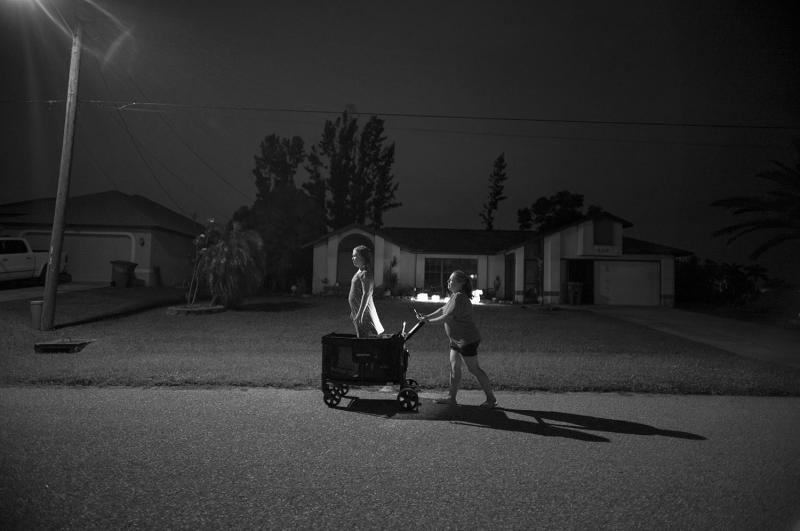
Perhaps Danielle could dress and feed the kids on her own, but one thing she could not safely do is get them on the bus. Once, Mallory took off running down the street while Danielle was helping her brother off the bus. Now, Danielle walks them between the house and the bus one at a time. Both kids wear harnesses to make sure they stay in their seats.
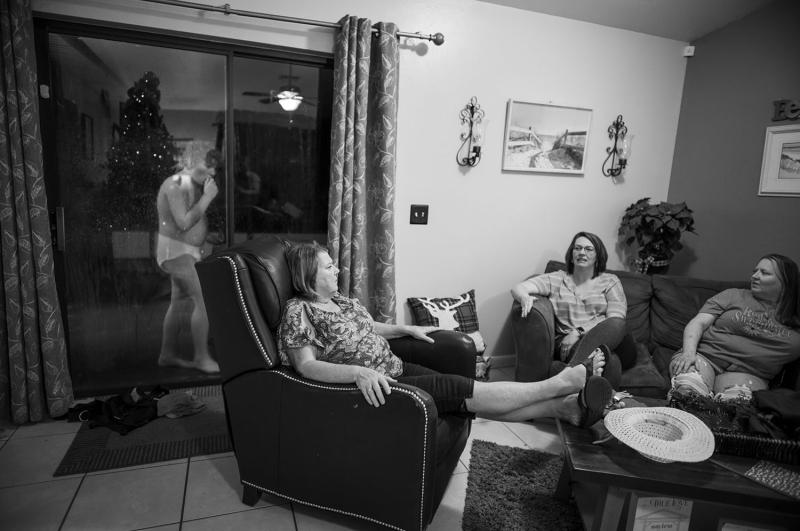
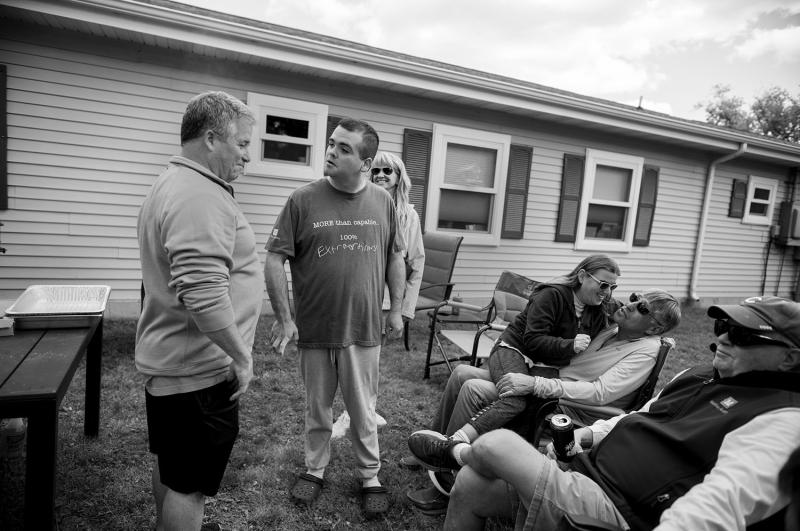
Karen leaves after the bus pulls away. Some days she comes back for the afternoon routine if Robert or one of the kids’ behavioral therapists isn’t there to help. She is crazy about her grandchildren and hosts all four generations of the family—including her parents and her sons, Danielle’s younger brothers Billy and Brett, and their wives—for Sunday dinner every week. Before the kids arrive, she rolls up the rug in her bedroom and replaces her good bedspread with an older one she doesn’t mind getting dirty. Other than that, there isn’t much preparation she needs to do for their visits. Karen has three locks and an alarm on the front door to keep Mallory from wandering, and her screened-in back patio is completely bare except for a hose, so Greyson can sit outside and play in the water, spending much of the visit shooting the hose at the ceiling and watching the drops rain over him in wonder. The freezer is filled with the waffles that all the kids prefer over the roasts, chicken pot pie, and other favorites that Karen cooks for the adults—which doesn’t stop them from wandering through the dining room to snatch a piece of bread or whatever else looks appetizing, often right out of someone’s hand. But no one minds.

Karen’s house is the one place that Danielle and Robert can take all three kids together. Managing their behavior is too challenging in uncontrolled environments like restaurants or stores, so much of the rest of the weekend is spent in the car. The kids love car rides and are happy to wait while Robert drives to the market, the pharmacy—whatever errands need to be done—and Danielle runs in. For lunch, Robert stops at a drive-through, and everyone eats in their seats. The family spends so much time in the car that Robert recently started delivering groceries. “It’s not much money,” Danielle shrugs. “But as long as we’re driving around anyway, why not get paid?”
At Karen’s house, though, the kids are always welcome. Even those Sundays when Robert has to work, there is plenty of support: Karen gets Mallory some American cheese while Danielle takes a few bites of her meal; Brett pulls Will into his lap for a brief cuddle; Billy steps in as Greyson grows agitated, and somehow turns a swat into a hug.
This isn’t a typical story. Frequently, families like the Siegmans get little help from extended family. Karen, who taught first grade before she retired, extends the benefit of the doubt. “I think a lot of people just don’t know how to interact,” she says. “I think they get their feelings hurt because they have expectations that just can’t happen. They want kids to love them back, and they do, but maybe not the way that people expect.”
Danielle, for her part, puts little stock in expectations—a stance she credits for her exceptional resilience. “And if I’m laid back, Robert is ten times more so,” she explains. “That’s not to say it’s not hard or that either of us doesn’t get tired of it sometimes, but you just keep going.”


You just keep going may be the mantra of profound-autism families everywhere. You just keep going because no one else is going to do it. You just keep going because you desperately love your kids, and they need you. You just keep going because—as slow as it might seem, as much instruction and practice as it may require, that’s the way your children learn and grow. Danielle is so proud of how far the kids have come—their aggressive and self-injurious behaviors are greatly reduced, their communication and self-help skills significantly improved. Mallory and Will are almost completely out of diapers, and Greyson is about halfway there. But he has made a lot of progress on eating with a fork and will now sit at the table instead of circling around the room, grabbing bits of food off his plate with each lap.
Part of that commitment to just keep going is recognizing, deep down, that doing so is not sustainable, not all the time. Robert’s break is his forty-minute commute to work, when he just turns off the radio and enjoys the quiet. Danielle’s is the TV she turns on after she puts the kids on the bus. She feels irresponsible, sometimes, ignoring her long mental list of things to do: The sink is full of dishes, and she needs to fish behind the couch for the half-eaten apple Greyson threw on his way out the door that morning; their exuberant goldendoodle’s coat is hopelessly matted; a patch of tiles is missing above the bathtub; and a turquoise alcove near the living room ceiling doesn’t match the walls, which were painted tan over a decade ago. Perhaps most important are administrative tasks, such as filling out the paperwork to add all three children to the enormous state waitlist for the services they will need when they age out of school, which Danielle hasn’t done yet despite being told they should be registered by age five. “I guess I always thought they would live with us forever,” she says. Now she’s wondering how realistic that is. “I’m afraid it will be harder for them to adjust if they suddenly have to live without us.”
But Danielle is tired. In a few hours the kids will be home, and once more she will have to be on full alert. Reinforcing and extending new skills requires endless prompting: to hang up backpacks, to eat at the table, to use a toothbrush independently, to say thank you. Timers need to be set to teach Mallory to wait for the car rides she demands multiple times every evening, and when the timer isn’t enough to allay her impatience, Greyson has to be redirected because his violent behaviors are triggered when she starts screaming “Help!” as loud as she can. For now, Friends, Gilmore Girls, The X-Files. Danielle loved to read when she was younger, but she just doesn’t have the concentration. “When I have a free moment, I’m looking for something that requires as little effort as possible. Maybe that makes me lazy,” she laughs. But her kids are safe, and the floor will be swept, the laundry will get done…eventually. Sitting still for a while is exactly what you need sometimes, when what you have to do is to just keep going.

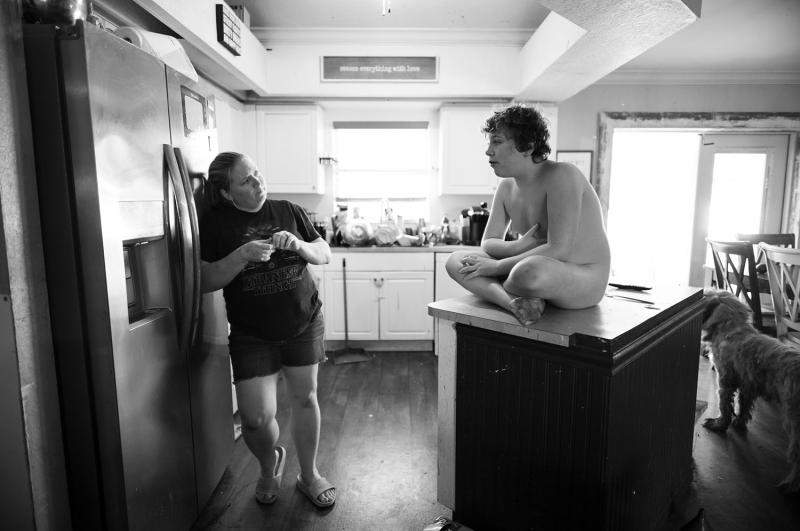

Donna Pirozzi visits her son Nick’s group home at least four times a week—sometimes with her husband Chris, sometimes alone. She brings Nick all his food, including containers of salad, rolls, salmon, steak. “You don’t want these places to buy food. They buy bottom of the barrel,” she tells me. And she should know: When Nick was placed in the group home, Donna began working temporarily as a direct support professional (DSP) with intellectually disabled adults because she wanted to know what Nick’s care would look like from the inside, the shortcuts and pitfalls she should watch out for. “I worked in a home with good staff, and dinner was still shitty,” she says. “Two hot dogs, no buns, frozen vegetables. I think it was because of the budget. There were no snacks in the cupboard. Of course I complained.”
Donna’s appetite for fighting is, seemingly, bottomless. The family’s journey has been marked by lawsuits, meetings with state representatives, inpatient and outpatient programs with stellar reputations she found hours away in Connecticut and Maryland—all motivated by the conviction that there was something better for Nick, a different medication or therapist or school that would stop his aggressive behavior. But nothing helped. When it became clear that Donna and Chris could no longer manage Nick’s rages, the group home, offered to them under the guidelines of Pennsylvania’s Office of Developmental Programs (ODP), was their only option.
“Group home” is somewhat of a misnomer. Nick, twenty-four, is the only one who lives in the three-bedroom house, about forty-five minutes from where Donna and Chris live in rural Pennsylvania. Two staff members are with him at all times to ensure everyone’s safety. And since they can’t find a day program that will take him, he spends most of his time alone in the house with rotating caregivers. “There’s no schedule of required outings; the DSPs are free to do whatever they want. I’ll bring a game, but they never even take it out of the box,” Donna says bitterly. “They’re babysitters. They’re just there to keep him alive, nothing more.”
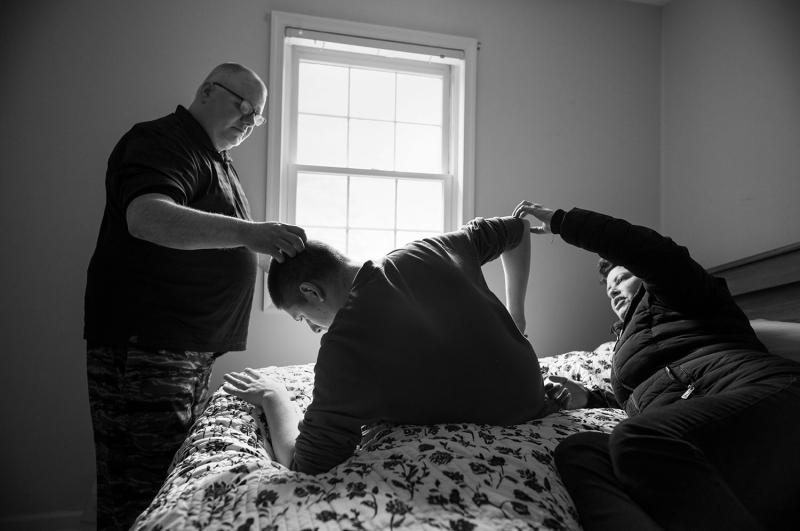
As the parent of a profoundly autistic son myself, this lonely house at the end of a long driveway, surrounded by fields, is what I fear most for Jonah: no meaningful activities, no engagement, no learning. Just a DSP who’s paid $18 an hour to play on his phone while Jonah watches the same thirty-second segment of Big Bird Sings over and over. This is why, at twenty-seven, Jonah still lives at home with us, about an hour south of the Pirozzis.
Residential care for adults with profound autism and other intellectual or developmental disabilities doesn’t have to look like this. Donna and I both think our sons would thrive in a larger, more structured setting—a farmstead for intellectually disabled adults like Bittersweet Farms in Ohio or Hope Haven Ranch in Arizona; a gated community like 29 Acres in Texas; or a residential campus like Misericordia in Illinois. According to the regulations set by the Pennsylvania Department of Human Services (which houses ODP), no new residential settings that serve more than four people can be licensed. Settings with more than four people are, in ODP’s perspective, “presumed to have institutional qualities.”
No one wants to go back to the era of snake pits like Willowbrook or Pennhurst, obviously. The question is whether there is an acceptable middle ground somewhere between the six thousand residents Willowbrook warehoused at its peak and the four-person limit set by the state—a size large enough to support on-site specialists in behavior, speech, occupational therapy, and nursing; host a range of activities for those whose challenging behaviors preclude community outings or who may simply find them sensorily overwhelming and stressful; and maintain a large and flexible workforce that can be shifted to provide extra help during meltdowns or faded to encourage independent skill development. “All ODP cares about is that Nick isn’t in congregate care. To them, this is ‘community living,’ even if he doesn’t interact with a single person other than his DSPs all day,” Donna says. “Why can’t we have choices?”
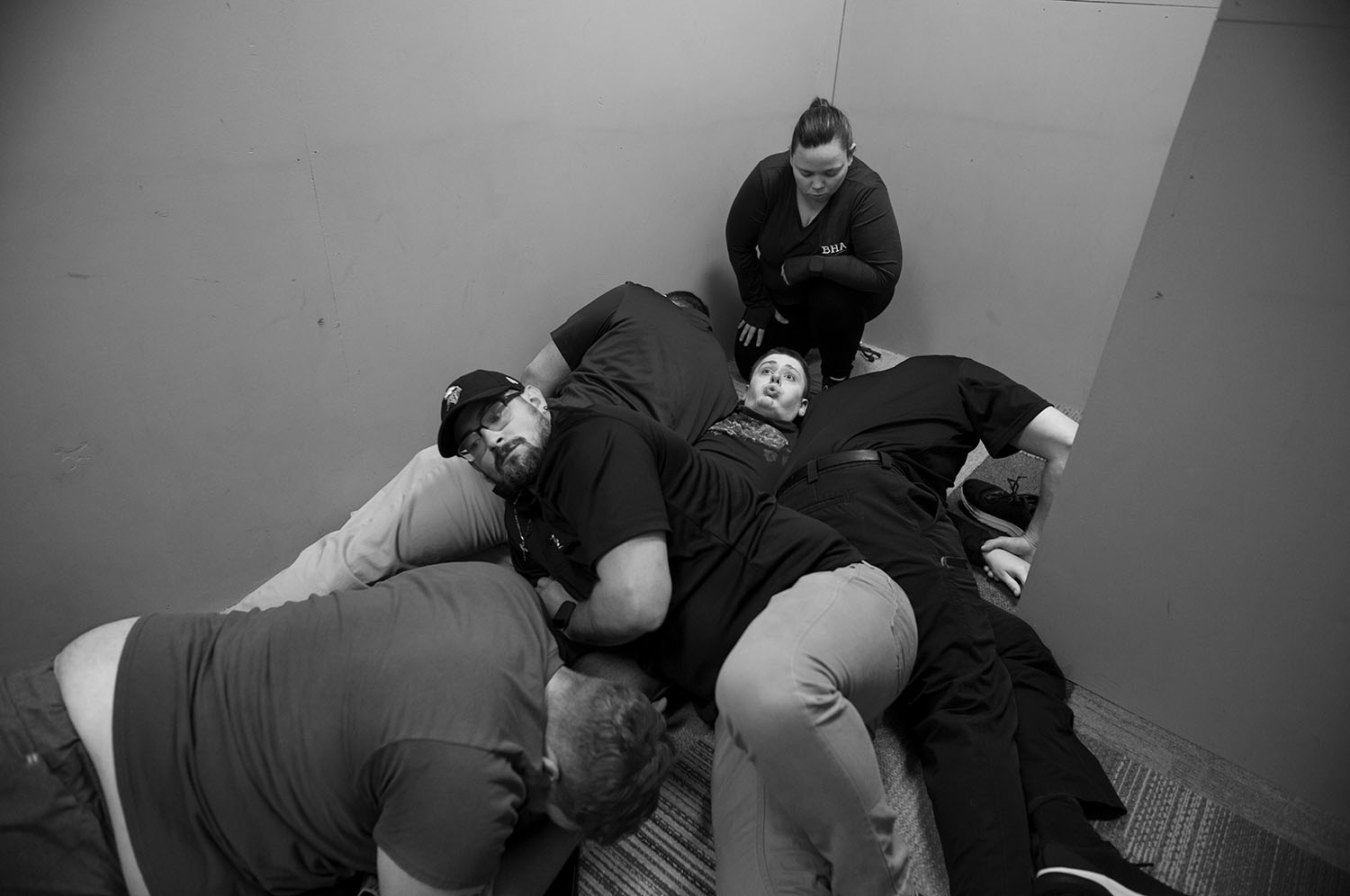
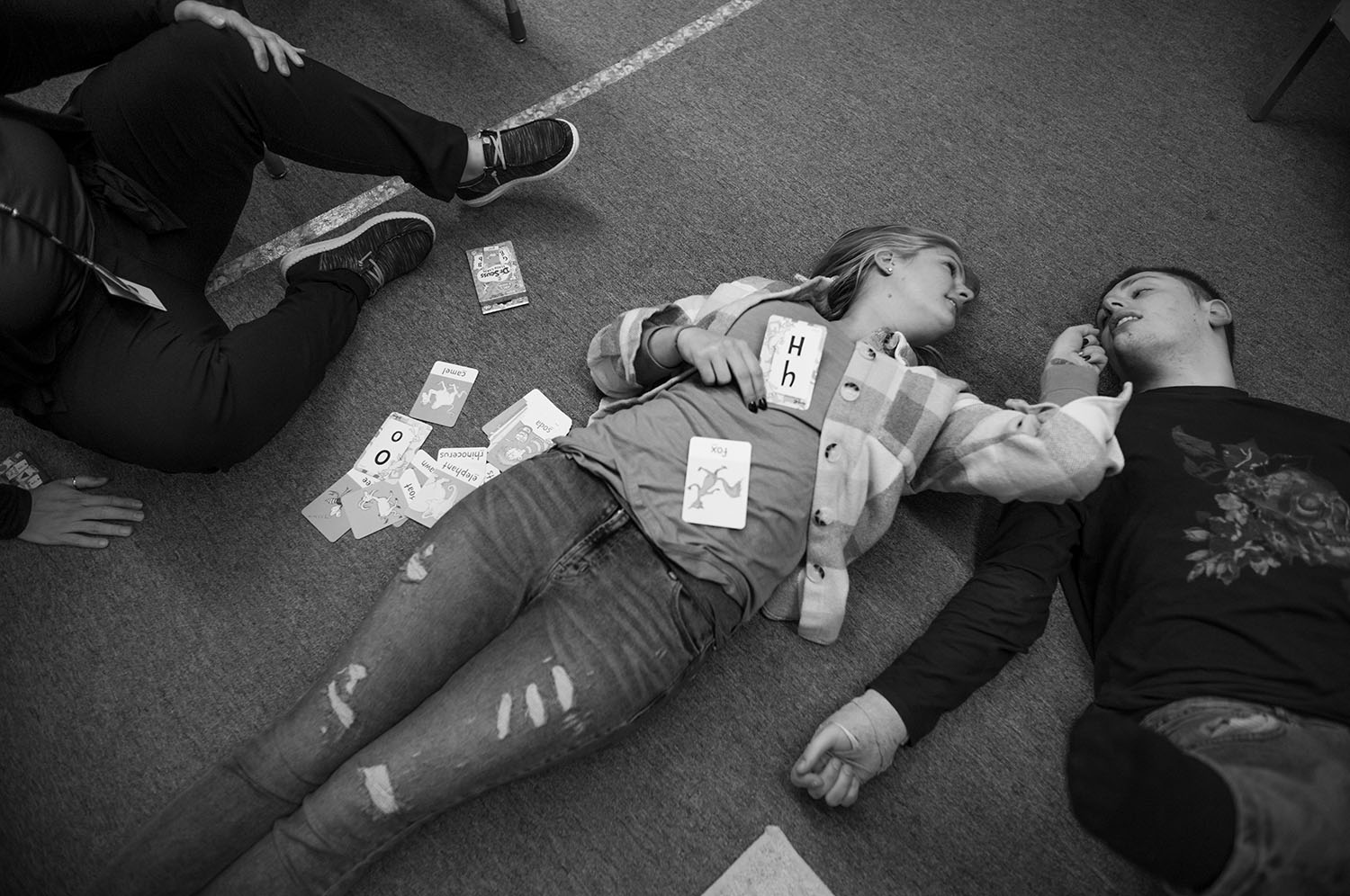
But Donna and Chris only have one choice, which isn’t really a choice at all: If they don’t like Nick’s situation, they can take him home. As the three of us watch Nick pace in agitation, hitting himself in the chin and perseverating on everything his parents say or do—“Daddy don’t say ‘ah’!”—Chris turns to me and says, “This happened every day at home.” He took it on himself to manage Nick’s rages, stepping between his son and his wife and absorbing the blows. Once, Nick bit Chris so hard through the hand that he needed a course of antibiotics. Which is why, even when Nick cries to go home, Chris shakes his head and says, “I just can’t do it anymore.”
That’s when I understand why Donna is so focused on Nick’s food. As someone who lets her son eat peanut butter out of the jar with a spoon (and only intermittently enforces the “no double-dipping” rule), I have to admit that it surprised me at first. It’s not as if Donna lacks other things to worry about: the day programs that won’t accommodate Nick; the strong drugs—olanzapine, clomipramine, propranolol, clonazepam—that are prescribed to reduce his aggression but don’t seem to help much; DSPs who sneak off to talk on the phone or sleep during their shifts or wear earbuds when they’re supposed to be engaging with him. Donna discovered these lapses by Nick’s DSPs because she visits him multiple times a week and calls “four or five times a day” on the off days. What will his care look like when she isn’t constantly holding his team accountable? The question is bound to an existential concern, a fear that grips all profound-autism parents: Who will care for our kids—who will care about our kids—after we die?
Much of this is out of Donna’s control. Since Nick moved into the group home, she has successfully lobbied to remove one DSP she suspected of getting high while working; but it took something that flagrant for the agency to finally intervene.
Nick’s food, however, is the one thing Donna can control. She can demand that his DSPs take a food safety course, report a DSP for putting an opened jar of sauce back in the cabinet instead of in the refrigerator, and ensure Nick’s Individualized Support Plan (ISP) requires staff to remove the bones from his food and cut it into small pieces to prevent choking. She can provide his favorite donuts and ice cream pops so that he has access to the few things, besides Baby Einstein videos, that make him happy. She can bring her son fresh meat, fish, and greens—all prepared at home, since Nick’s house hasn’t had an operational stove after he dumped a pot of boiling water on the cooktop and management disconnected it. And while it kills Donna that she will never know what happens when she is not with Nick, or what he thinks about his isolated life, she can know that, if nothing else, her son won’t be served two hot dogs with no buns and frozen vegetables—a meal that has become symbolic, for Donna, of impoverishment, of abandonment, of what it looks like when everyone around you has just given up.

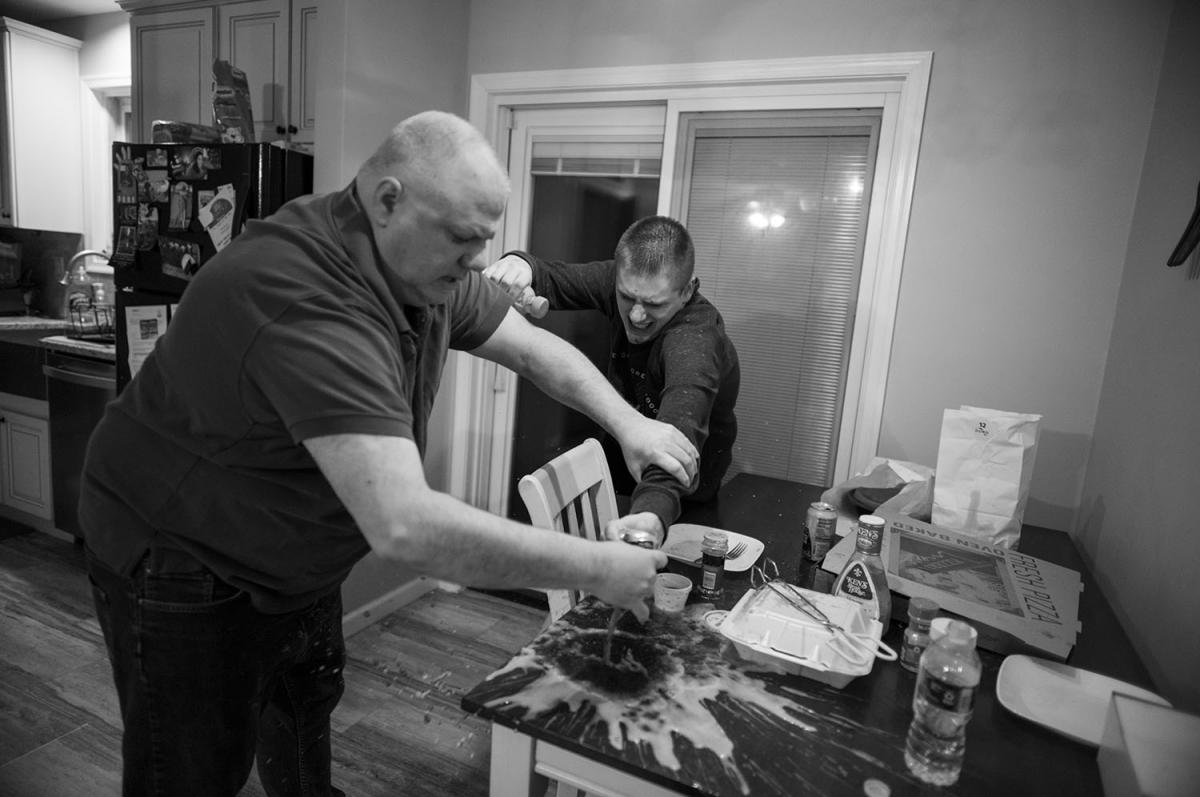

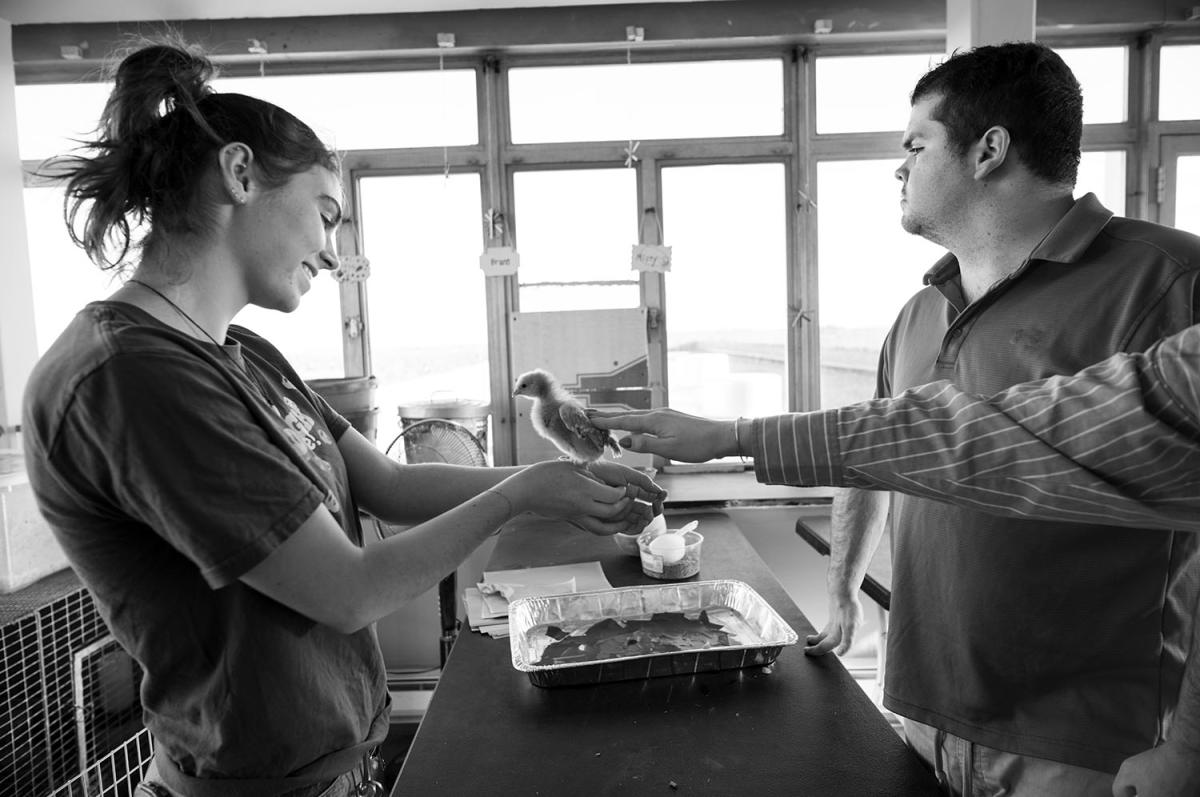
I have only ever seen Luke Cullen smiling—during a cooking class at Matthias Academy, when he got to spread cream cheese on a sugar cookie and top it with a strawberry; in art class, when he cut out circles with the letters of his name on them to make a snowman; even when he was turned away from the snack closet at his group home, because soon he was going out for tacos instead. It’s hard to believe that this quiet, happy twenty-three-year-old was once so violent that there was only one school in the entire nation that would take him—a residential treatment facility (RTF) halfway across the country from where his family lived in Illinois.
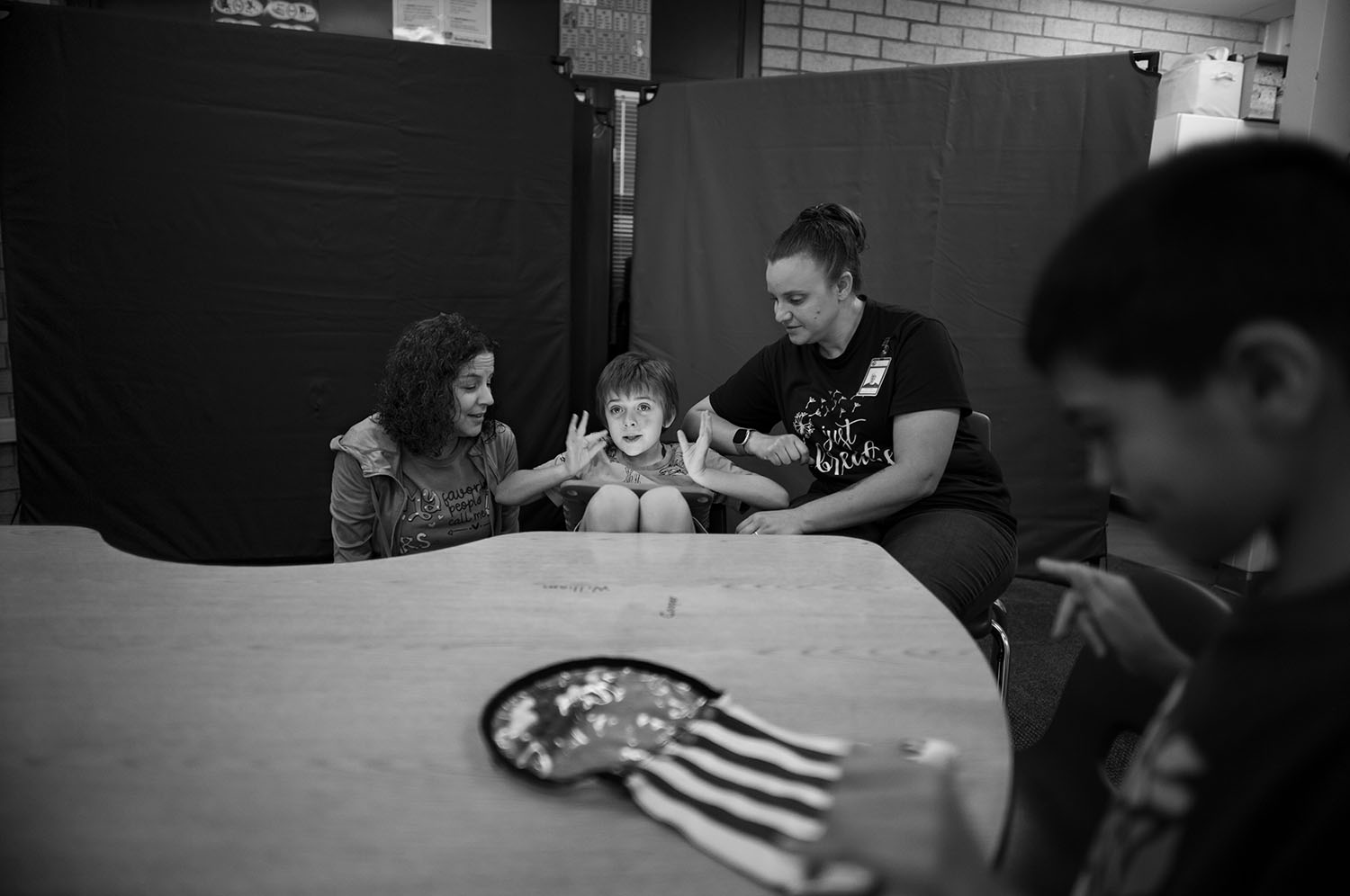
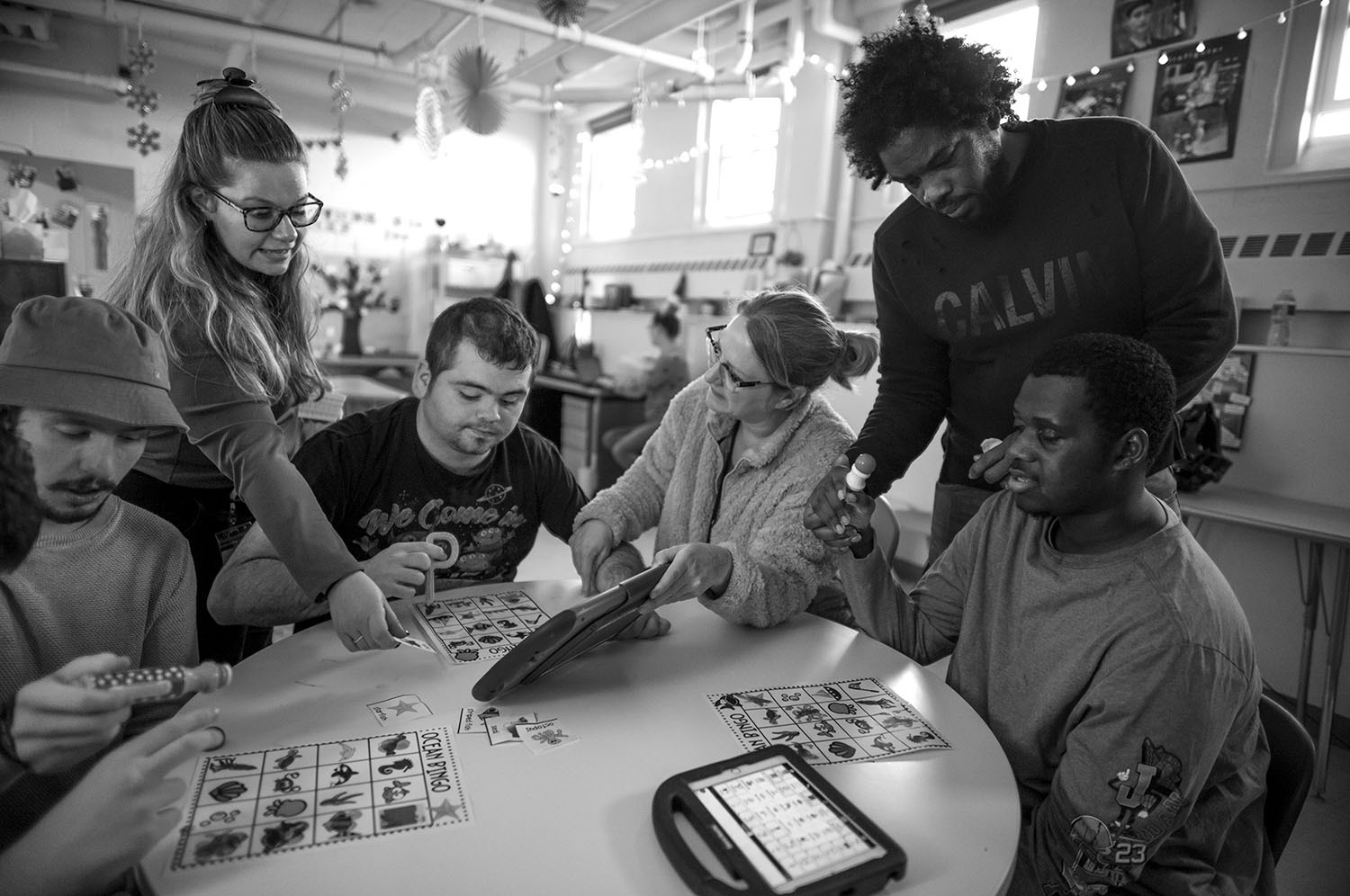
Matthias is the type of congregate care facility that is not permitted in Pennsylvania. Its day program serves more than 140 autistic and intellectually disabled adults across two campuses, twelve of whom also receive residential services in three group homes. Matthias has an art room, sensory rooms, a gym, and even a cosmetology room where students can get haircuts or even more elaborate primping, including manicures, pedicures, and makeup. The classrooms are filled with comfy chairs, bright mobiles, and paintings made by the students. Motivational signs hang just about everywhere, such as one in Luke’s classroom that says, we don’t stop playing because we grow old, we grow old because we stop playing.
When Elizabeth Pumala started Matthias in 2020, she admitted that she faced some pushback. “I was called an institution, segregation at its finest,” she told me. For Jamie, Luke’s mother, Matthias’s size and focus on those on the more severe end of the spectrum were advantages, not drawbacks. The school reminded her of Shrub Oak, the RTF that successfully treated Luke’s aggression after all the other strategies—more than ten hospitalizations, eighty medications, and the entire gamut of educational placements (public school, autism support school, residential school)—had failed.

Also familiar, though not at all concerning, to Jamie was the controversy. Shrub Oak, much more than Matthias, has been a lightning rod for criticism, including a five-article series by ProPublica in 2024 that documented multiple claims of abuse and neglect, along with an independent investigation that has caused one state to pull its students; two others have halted new enrollments. Jamie is still outraged by the coverage, which she finds inflammatory and biased. She doesn’t deny or justify the incidents detailed by ProPublica, which included staff members striking students, leaving them inadequately supervised, and incorrectly administering medications. Profoundly autistic people are extraordinarily vulnerable; their near-total dependence and inability to report means many of them have been abused or neglected by caregivers across the full range of educational and residential settings. She doesn’t consider such failings unique to Shrub Oak.
What mattered to Jamie was that Shrub Oak fired the staff who were responsible. What mattered most of all was how much Luke improved during his time there. In two and a half years, he was taught to turn in a card to ask for a break when he needed to calm himself down. He learned not to bolt at the sound of a bird or a siren. When he felt overwhelmed, he retreated to one of Shrub Oak’s sensory rooms. “Luke probably only had four or five meltdowns the whole time he was there,” Jamie says. And as his behavior stabilized, Luke’s team added life and job skills, such as running a lemonade stand. Jamie didn’t have to be told how much Luke enjoyed this job—she had set up a similar enterprise for him and another autistic classmate in 2017, Luke and Matty’s Nacho-Ordinary Business. (Jamie grinned: “Get it?”) She and the other boy’s mother helped their sons pump out melted cheese on tortilla chips and sell them to the other students. “He loved it; he smiled the entire time.”
But even as she and her husband, Dan, received positive weekly reports from Shrub Oak, Jamie couldn’t rest. As difficult as it had been to find a school that was not afraid of Luke’s rages—during some of the worst episodes, he’d put his head through a window, choked his two brothers, and given himself a brain bleed—finding a good adult program would be even harder. Education is a public entitlement, which means that school districts are obligated to provide a “free and appropriate public education” for all students, no matter the severity of their disabilities or challenging behaviors. If districts have nothing to offer, they must pay for private placements—which is why Luke’s Illinois district paid for him to go to the New York RTF.

That entitlement, however, ends at age twenty-two, and access to adult services varies wildly by state. Some states have enormous waitlists for Medicaid home care—Texas, with more than 180,000 people, has the largest by far; and Florida, where the Siegmans live, has a waitlist of nearly 80,000. North Carolina families wait almost ten years on average for services—and that period is projected to double for recent registrants. Other states, such as Pennsylvania, have shorter waitlists but very restrictive rules about the types of settings in which services may be provided. Jamie didn’t want Luke languishing alone in a house with only staff to keep him company. And she certainly wanted to avoid the kind of experience he’d suffered at a previous school, where students drew devils on his T-shirts (mocking his meltdowns), which the staff then made him wear. Luke’s history informed a long list of things Jamie didn’t want for her son’s future placement: overmedicating him, restrictions on his movement, disregard for his picky diet, and leaving him unsupervised, especially because of his inclination to elope.
Jamie didn’t have to tell me what she did want, because I already knew. It’s what we parents of profoundly autistic children all want: for our kids to be seen, to be welcomed, to be embraced by others besides ourselves. We know it isn’t easy. We have been on the receiving end of pinches, bites, and scratches. We’ve stayed up all night when they won’t sleep. We’ve developed almost paranormal anticipation and Olympian reflexes to intercept an impulsive dash across a parking lot or toward an intersection, at a sibling or a stranger’s french fries. “When you are a parent of a child with 24/7 needs, aggressive outbursts, and who elopes, you are used to hearing that no place can take him,” Jamie says.
The mission statement at Matthias—“endless opportunities for extraordinary adults”—sounds like something lifted straight from the inspirational signs in the hallways, but for Elizabeth these words carry extensive material obligations. The staff-to-student ratio is close to one-to-one, including teachers; occupational, physical, and speech therapists; behavior specialists; and, of course, the cosmetologist. Elizabeth pays them well above the national average for a DSP and ensures they are fully supported through any medical or behavioral crises that may erupt. None of this is cheap. Medicaid waivers only cover half the costs, leaving a gap of about a million dollars per year that must be recouped through fundraising. But, for an industry with an average annual turnover ratio of about 40 percent, the most recent turnover at Matthias was only about 5 percent. One teacher confides, “I would never work anywhere else.”
The last time I spoke to Jamie, she told me that Luke is thriving at Matthias. Jamie credits multiple factors: the structure, the socialization, the movement. Elizabeth’s training in physical education has left her wary of sitting in one place for too long, so the students are required to spend time in at least four different locations every day—whether on-site or out in the community, where bowling, sledding, and water-skiing trips are routinely scheduled.
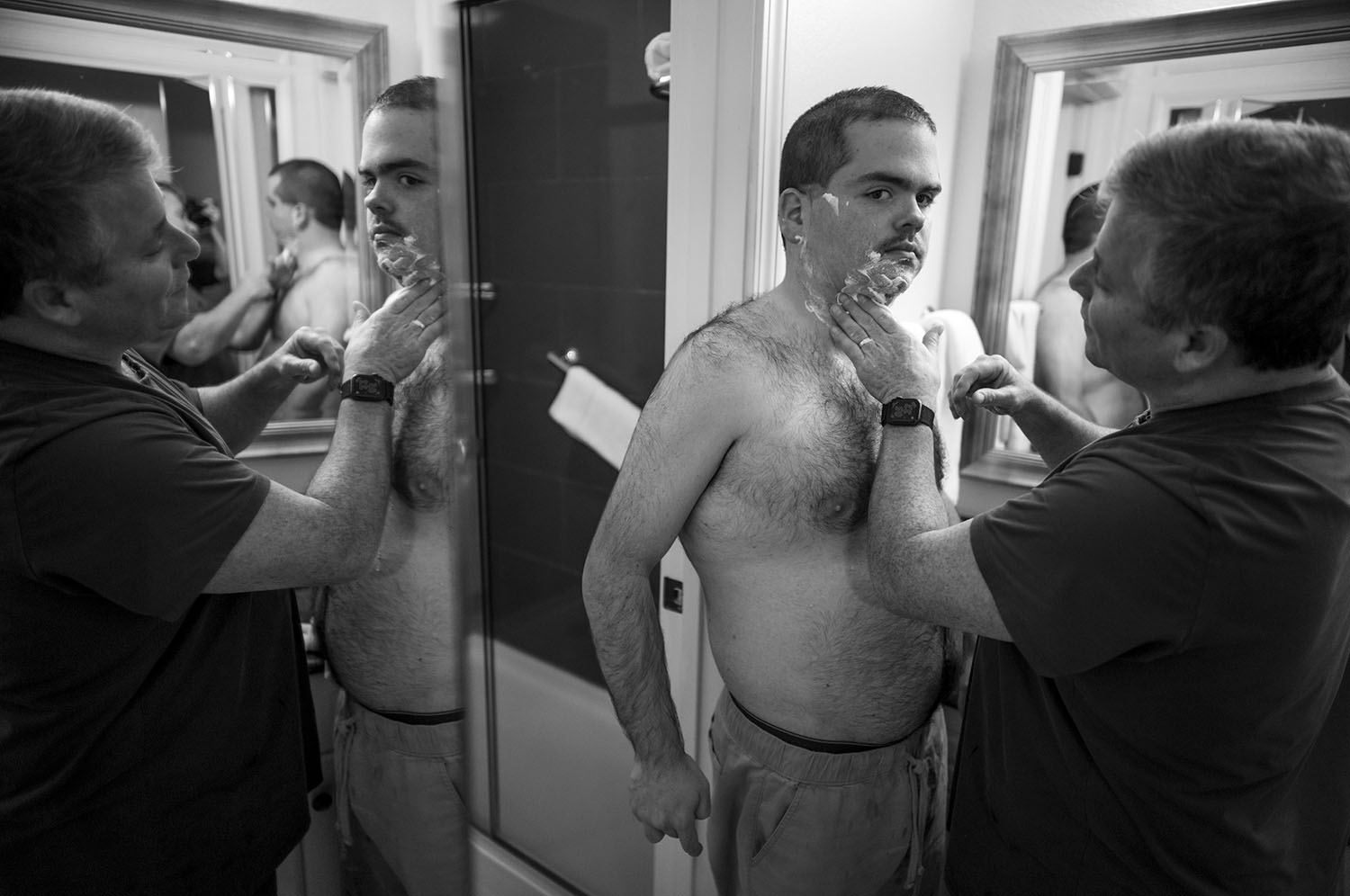
Jamie gives the bulk of the credit for Luke’s improvement to the relationships he has developed with his staff. “Luke loves being talked to,” she says. “He’s treated like an adult, like a peer…there’s no baby talk.” Elizabeth offers a more holistic explanation for the improvements she’s seen in all her students who came in with aggressive behavior. “We figure out their code. We honor what students want to do and help them and support them to do that.” Not that meltdowns don’t still occur. “We have a glass guy on call because our students have kicked out so many windows,” she laughs. “Sometimes it takes them a while to figure out that they’re loved here, that we’re not going to kick them out like has happened to them so many times. To trust us.” Agrees Jamie, “Most places have a one-bite-and-you’re-out policy.” Perhaps nothing gives her a greater sense of security than this guarantee that Luke won’t be expelled for his violent rages, which do still occasionally occur. That the staff will support him through those challenging moments and love him anyway.
Five years after she opened her doors, Elizabeth had to close the waitlist at four hundred families, many of whom are from out of state—including California, West Virginia, and Minnesota—but are, like the Cullens were, willing to move to Wisconsin as soon as a spot opens. Meanwhile, she has been asked almost every week by parents and providers to start a Matthias Academy in another state, and although she is plenty busy in Wisconsin, she is happy to entertain visitors, to share her plans, her curricula, her policies.
Even though these conversations aren’t happening in Pennsylvania, they still give me hope. Because, to be honest, there are few happy endings in the profound-autism community. Most stories resemble Nick’s much more than Luke’s: Parents work for decades—intervening, supervising, researching. Trying, trying again, and still again, determined to find something that helps even when nothing seems to. And, throughout, constant battles against penny-pinching school systems, dismissive doctors, ideological administrators. Until the day comes when we realize, like Chris Pirozzi, that we just can’t do it anymore. Even though we’ve never been more scared of anything than the abyss on the other side of that decision—the underfunded group homes, the staff we didn’t choose and have little control over, everything that could go wrong that our kids could never tell us about—we just can’t.
Elizabeth reminds me that there are people who have tangible help to offer our kids, and, most importantly, who believe they are worth the effort. It’s not just Matthias. Similar programs are thriving in those states that permit them. Expanding access requires nothing less than reframing what autism awareness looks like. Rather than channeling their angry energy to pseudoscience and identitarian politics, we need the public and policymakers to demand the creation of more programs, more choices, more capacity. Before that day comes for parents like Danielle and Robert. Before it comes for me.


Lynn Johnson has worked for LIFE, Sports Illustrated and has published forty feature stories in National Geographic magazine. Johnson is the recipient of the Robert F. Kennedy Award and the Chris Hondros Fund, and she has been a Pulitzer finalist on two occasions.