Image
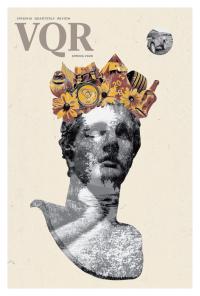

In his [Pablo Neruda’s] book The Complete Memoirs, published a year after his death in 1973, the poet describes the rape of a woman, “a Tamil of the pariah caste” which he committed when he was the consul of Chile, between 1929 and 1930, in Ceylon (modern-day Sri Lanka). “It was the coming together of a man and a statue. She kept her eyes wide open all the while, completely unresponsive. She was right to despise me,” he recounted in his book.
—Antonia Laborde, El País
When he wrote, “I like for you to be still,”
did he imagine that house, its coconut trees
looming against the sun-soaked sky, their kurumbatti
scattered like fists on the grass in the yard where
she moved each morning with measured steps,
slipping in and out of shadow, her dark feet
garlanded with anklets leaving only the faint glimmer,
the final murmur of imitation gold until one day,
waking early to a full bladder and walking as if
in a dream, he glimpsed her, body bent at the opening
to the outdoor latrine, sari running its thick border over
the shoulder, then tucked at the waist, arms reaching
with bangled wrists for the pail where he empties himself,
and folded at the sight of the untouchable, she, pail
balanced on her head day after day, a dusky statue
or ancient goddess at whose feet he left a piece
of silk, some fruit in offering, seeking ritual release
before leading her into the house, its bedroom where
her nose ring glittered like glass in the dark as she lay
unmoving beneath his naked body, silent while the blood
coursed through his veins, splattering a dark ink on
the page, the poem conceiving then and only then—