Image

This is the fifth installment of “Seeing Political,” Louie Palu’s #VQRTrueStory column on the theater of politics in Washington D.C., produced in partnership with the Pulitzer Center. You can receive future installments of Palu’s column by following us on Instagram.
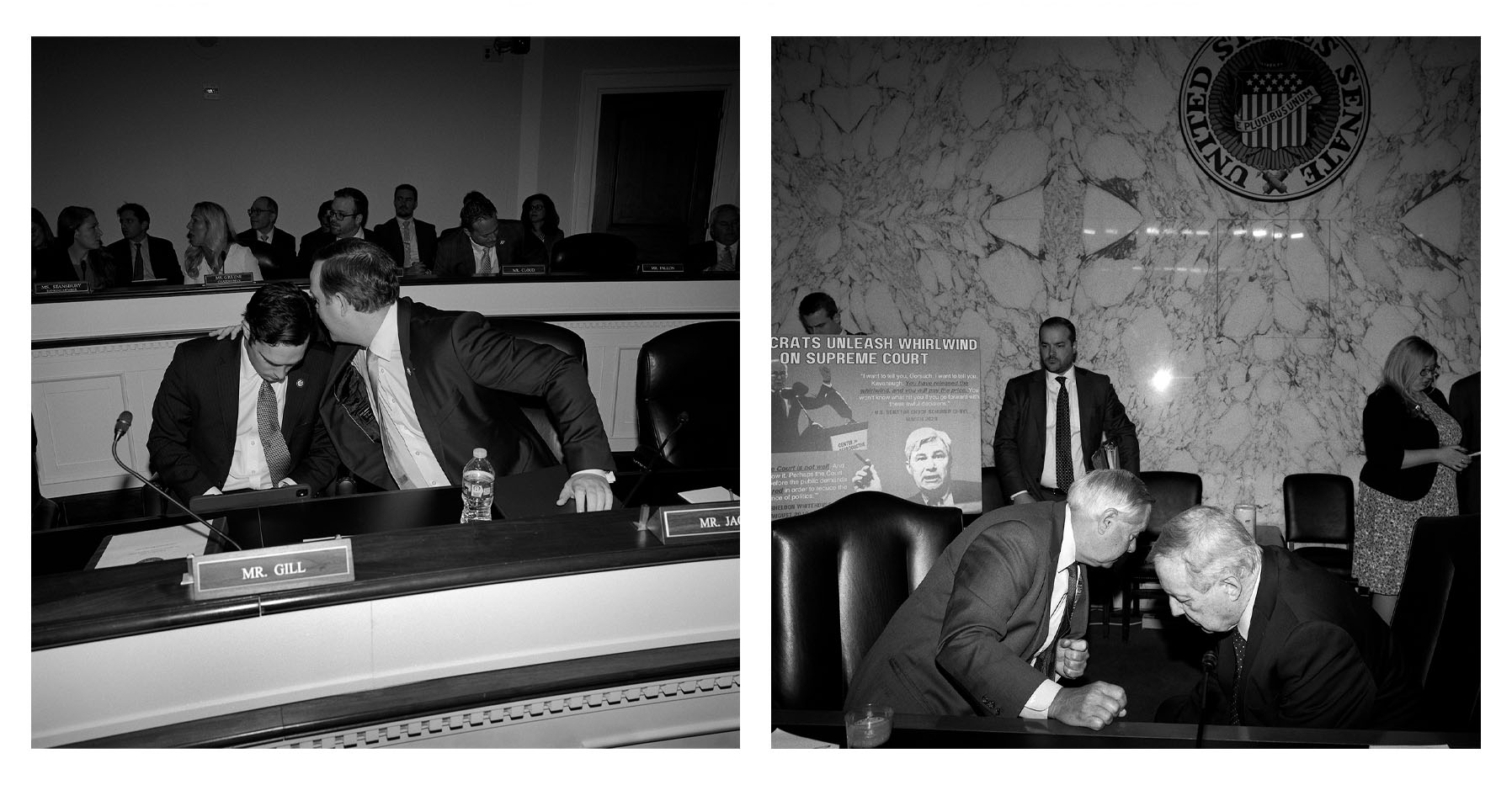
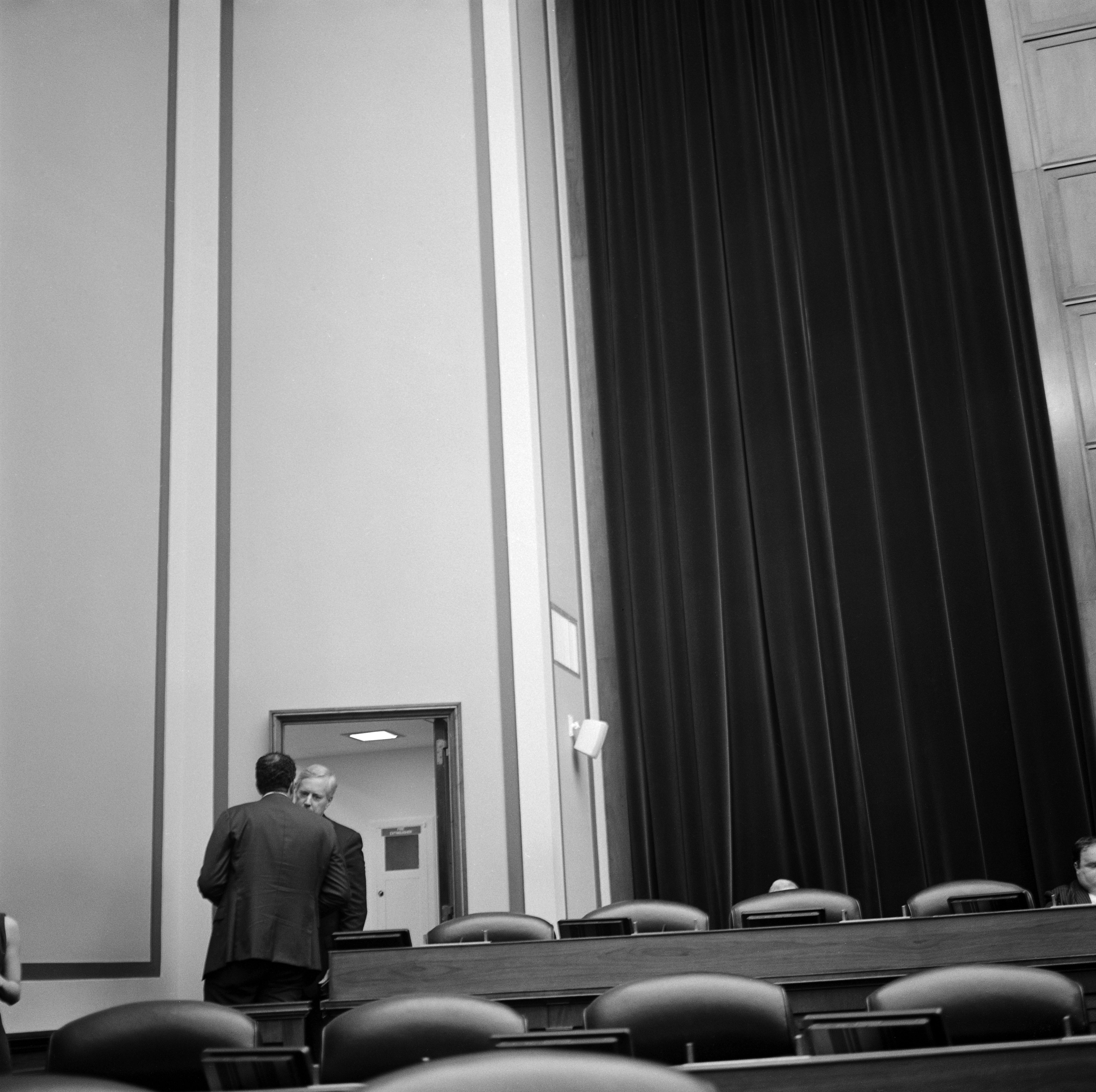
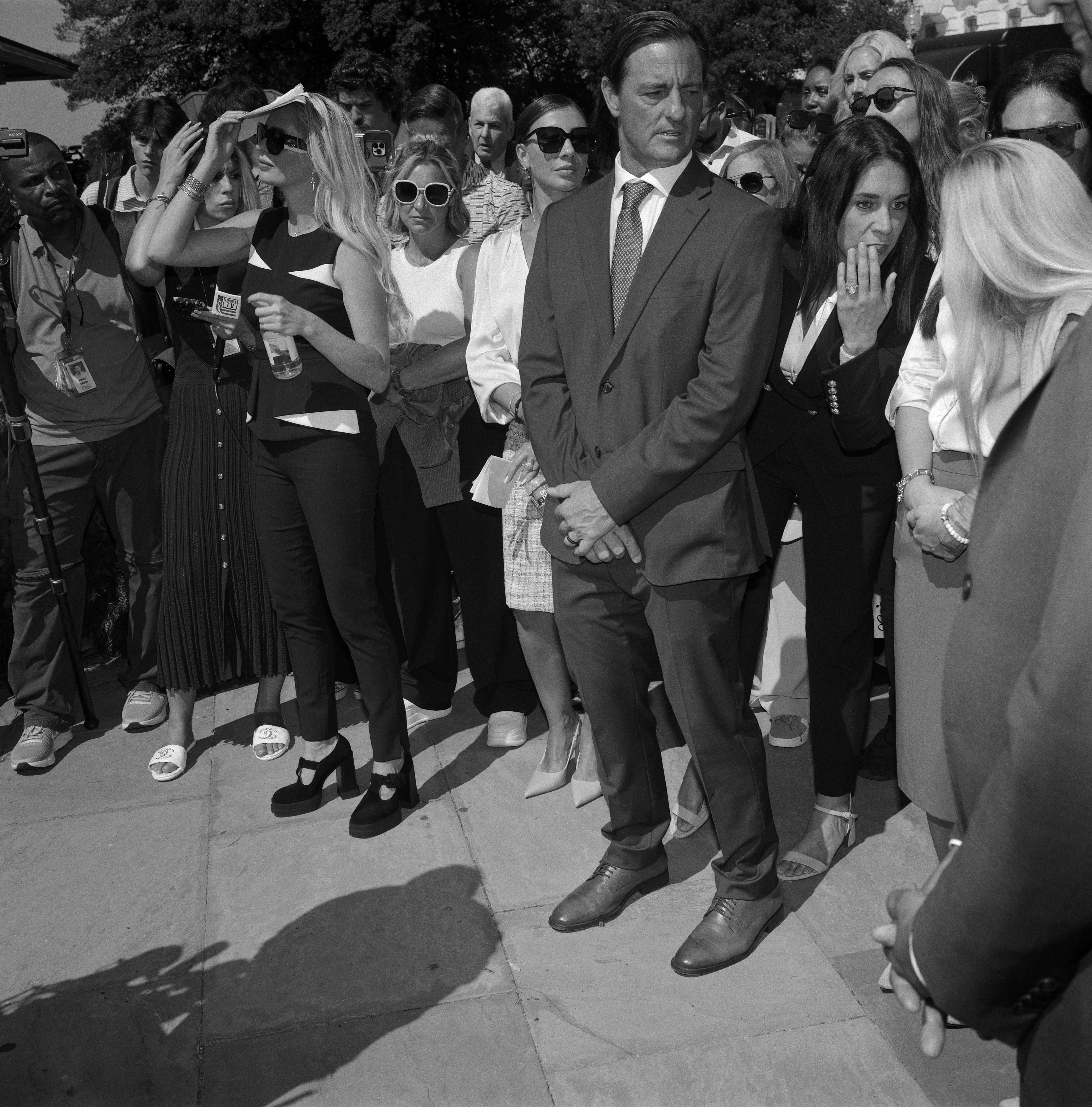
I’ve often wondered what gets whispered in a politician’s ear. Arguably the most iconic whisper in American politics was from White House Chief of Staff Andy Card to President George W. Bush in an elementary-school classroom about the 9/11 attacks. Whispering can also refer to a whisper campaign, a political tool that uses rumors to damage someone’s reputation. In congressional settings, the whisperers tend to be behind-the-scenes operators or staff delivering two kinds of information: what to repeat for the record and stuff off the record. During hearings on Capitol Hill, lawyers and staffers whisper counsel to a witness testifying under oath, and to lawmakers as well. During John Dean’s Watergate testimony, two men whispered behind him: It could have been nothing or everything, the public will never know.
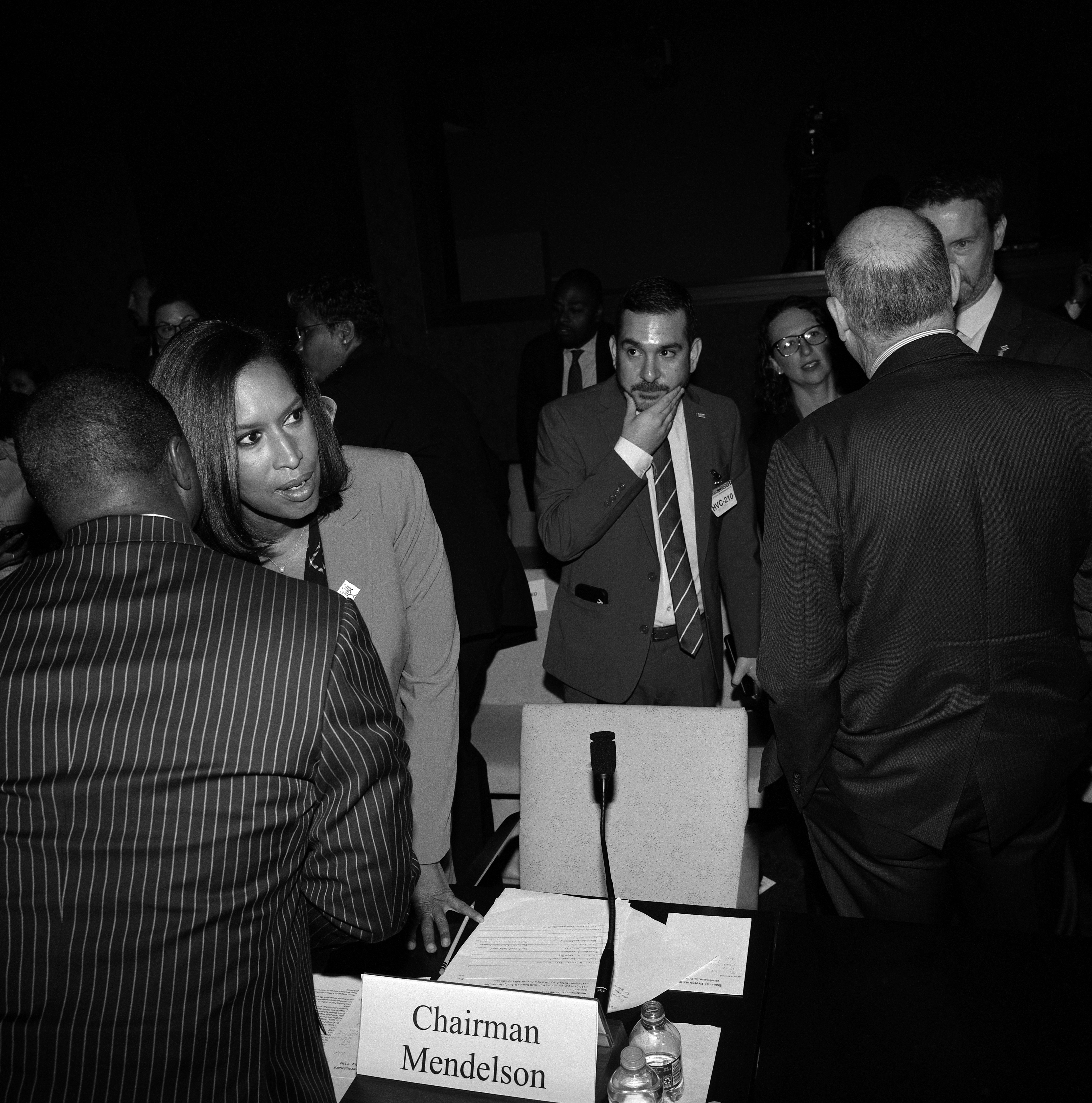
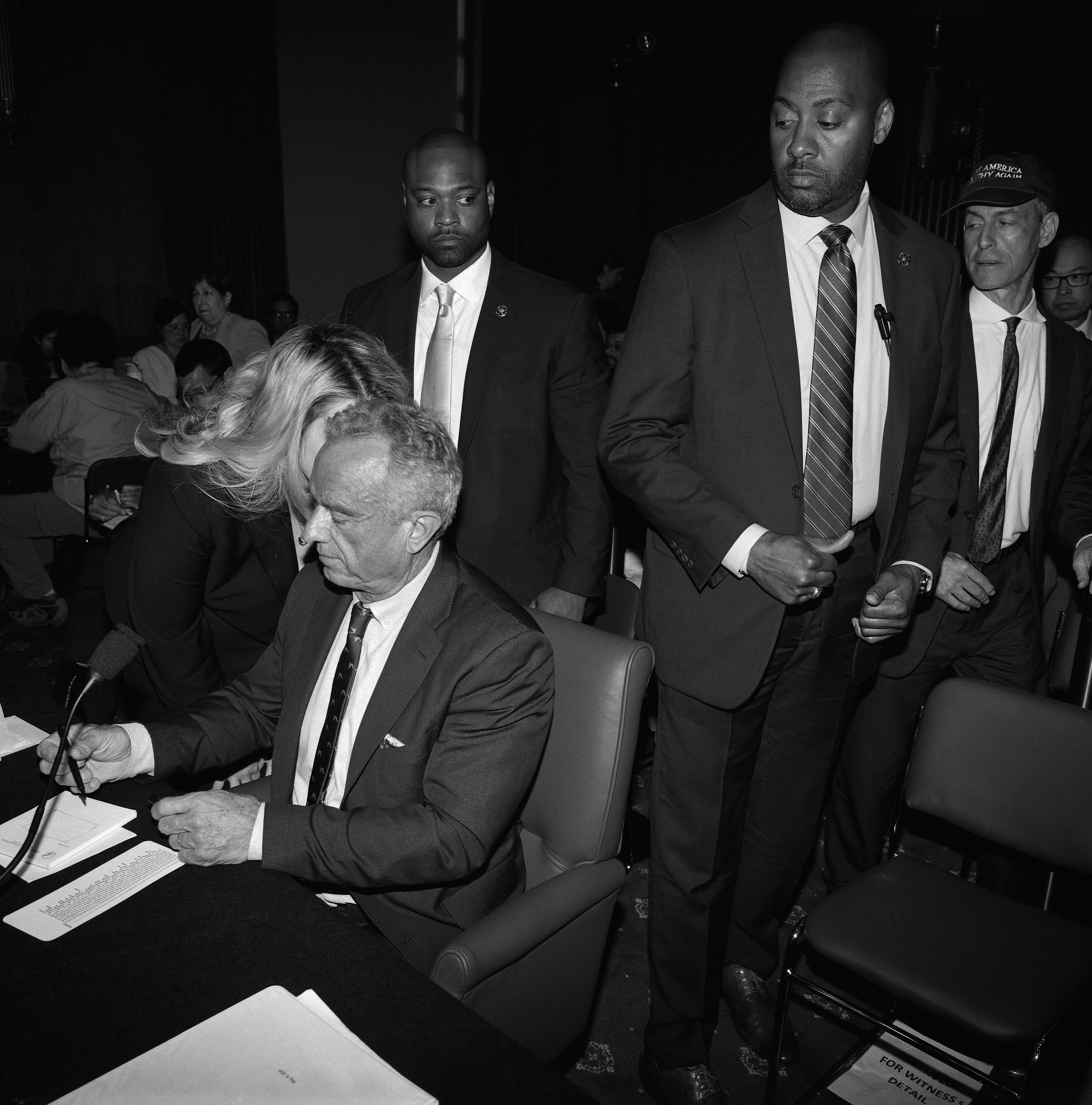
A former Senate staffer once told me that the content of most whispers is logistical: a summary of earlier testimony if the boss arrived late; reminders of upcoming votes on the Senate floor. Sometimes they relay messages to witnesses; sometimes it’s a joke someone doesn’t want on the record. If Senators want to discuss more substantive matters, they take it to the antechambers, where politicians can talk out of earshot and away from the mics , another form of withholding information in the proverbial “smoke-filled room.” At high level hearings related to, say, an impeachment or the January 6 Capitol attack , legal counsel might sit beside members of Congress. Their whispers are confirmations of fact, or advice, a version of which is repeated for the record. In politics, whispers hold currency, particularly for those of us eager to know what our representatives are up to. Who knows what ripple effect those whispers might have on policy, a legal outcome, the day-to-day lives of the rest of us. This particular theater builds on knowing half the story, reading body language, filling in the distance between what’s said and what we imagine. Between what’s scripted and what isn’t.

Louie Palu is a photographer and filmmaker whose work has received a Guggenheim Fellowship and World Press Photo Award. Based in Washington, DC, he has covered US foreign policy and politics for twenty years.