Image


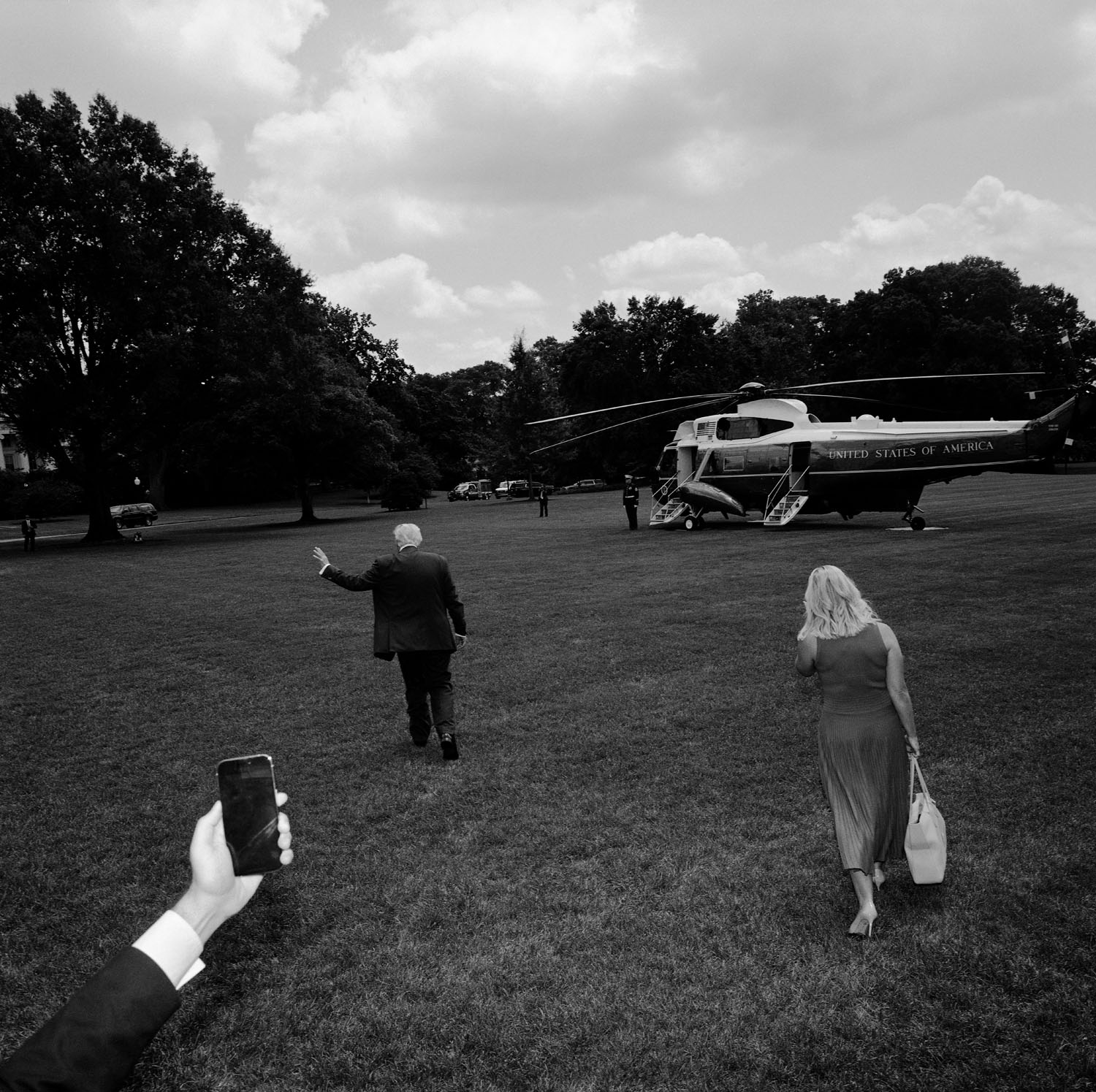
This is the eighth installment of “Seeing Political,” Louie Palu’s #VQRTrueStory column on the theater of politics in Washington DC, produced in partnership with the Pulitzer Center. You can receive future installments of Palu’s column by following us on Instagram.
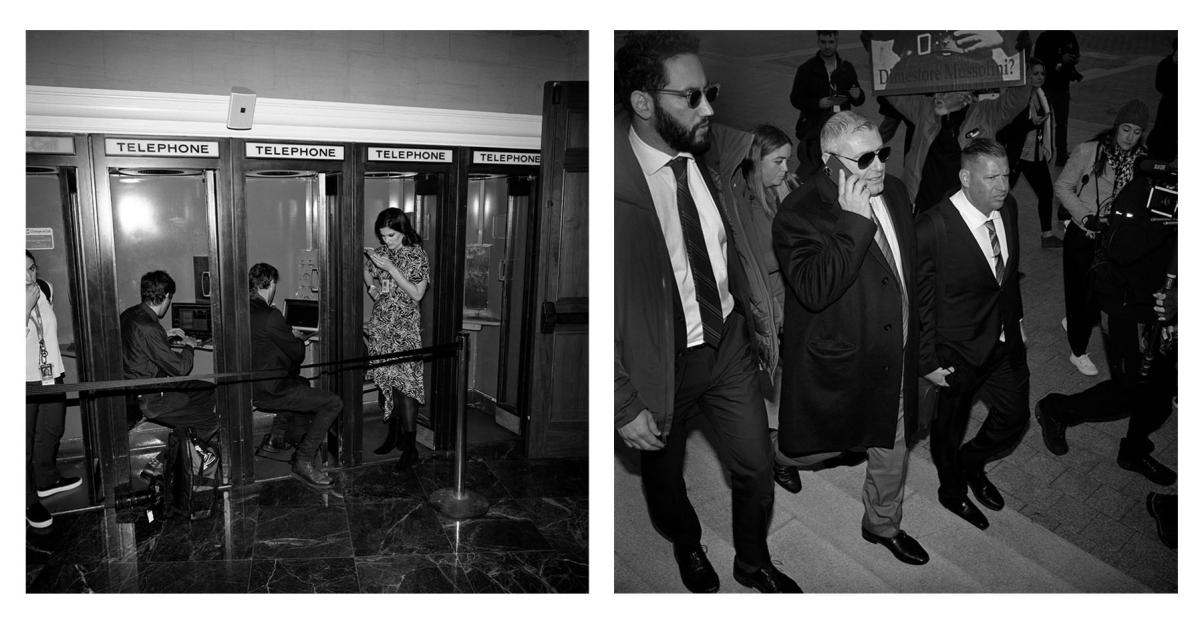
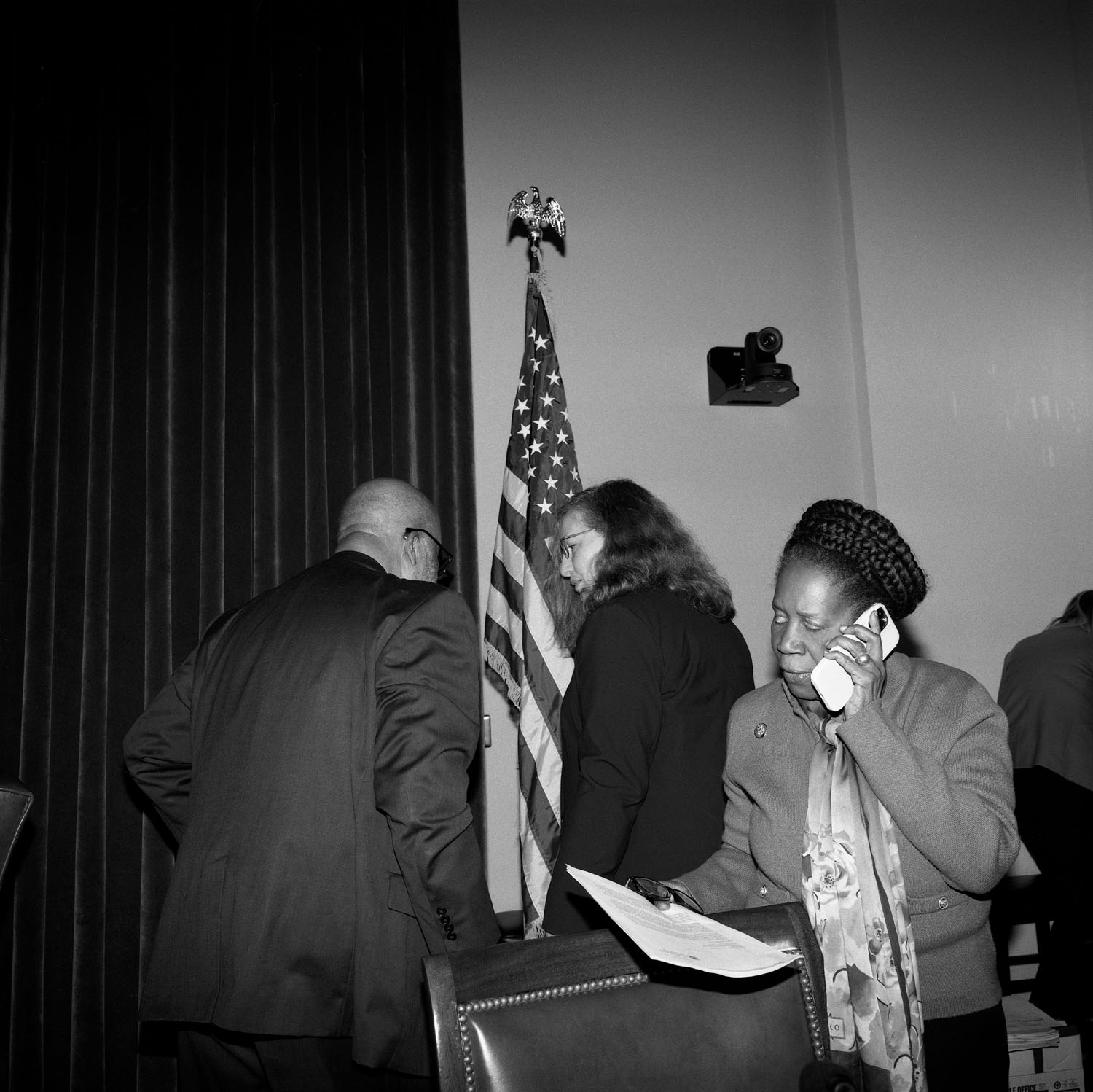
Phone calls are forbidden in the US Senate chamber. Senators must leave the floor if they want to take or make a call. Journalists, meanwhile, must leave their phones and any other recording devices behind and adhere to pen and pad to take notes. Members of the press regularly wait outside the Senate chamber to interview senators as soon as they exit; they also stakeout the Senate subway, which is an architectural choke point they use to get from their offices to the Capitol. It’s difficult to get answers from senators if they’re on the phone, which makes phone calls a good way to avoid engaging with journalists (though a phone can’t stop me from taking photos). In 2021, Wisconsin Senator Ron Johnson was leaving the Capitol with his phone to his ear when a reporter asked him about his alleged role in pushing “fake” electors on January 6, 2021. “I’m on the phone right now,” Johnson said. “No, you’re not,” the reporter shot back. “I can see your phone. I can see your screen.”
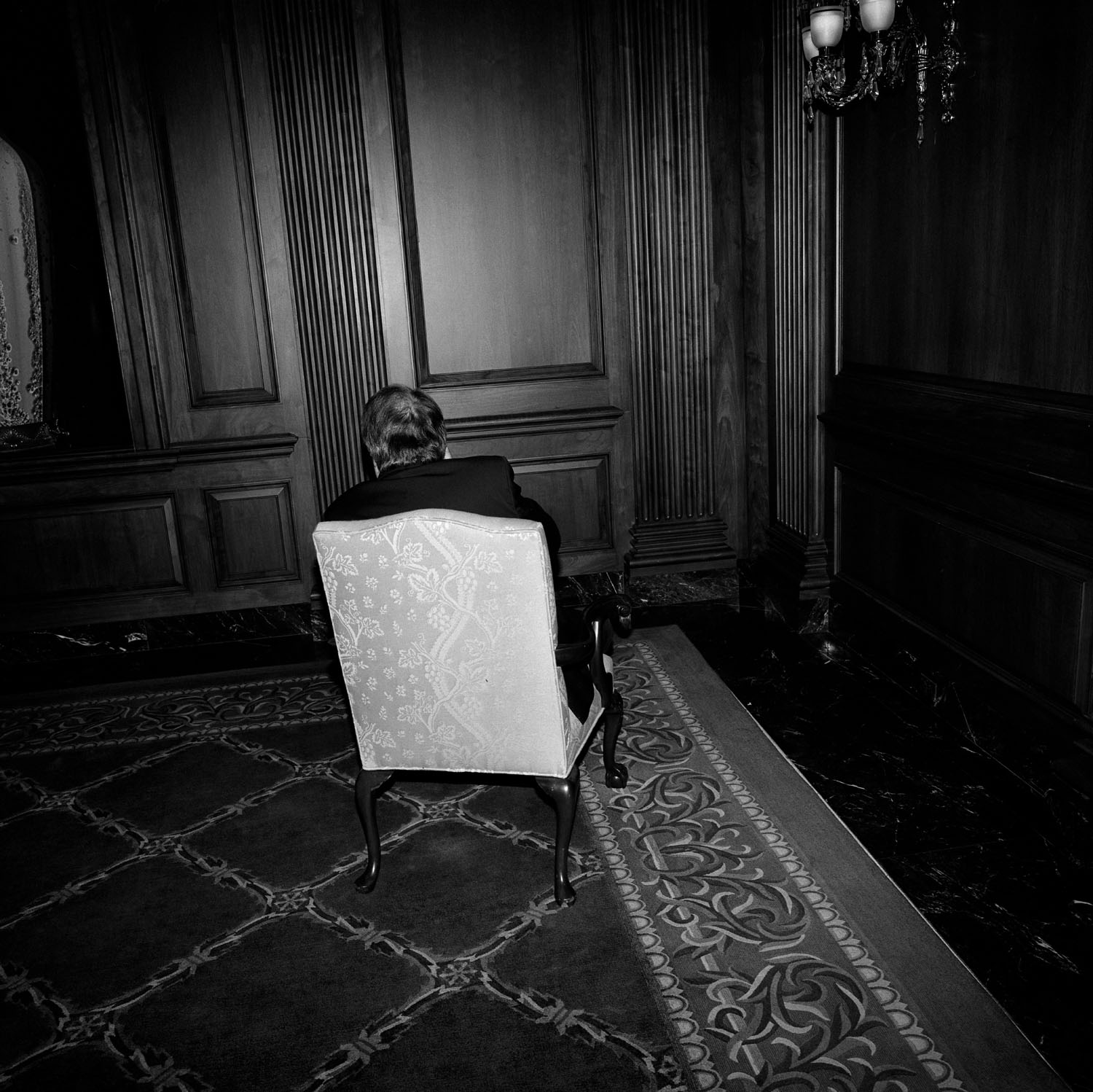
The White House ended audio recordings of presidential calls in the 1970s, after President Nixon recorded 3,700 hours of them, which were later used by the Senate Watergate Committee. In 2019, I covered hearings about an infamous presidential phone call—what President Trump described as the “perfect” call—with Ukrainian President Volodymyr Zelenskyy The content of that conversation was stored on a restricted computer; however, per protocol, a US official listened in and created a transcript. Months later, the record of that call led to Trump’s impeachment for abuse of power and obstruction of Congress. Perhaps this call would have been the perfect call for a burner phone. The president is allegedly aware of them, at least according to his former National Security Adviser John Bolton who added that he and Trump had spoken “about how people have used ‘burner phones’ to avoid having their calls scrutinized.” How many burners are in use by politicians, we’ll never know, but of all the performative moments in politics, you could say the phone call is the most deceptively intimate.

Louie Palu is a photographer and filmmaker whose work has received a Guggenheim Fellowship and World Press Photo Award. Based in Washington, DC, he has covered US foreign policy and politics for twenty years.