Image

This story was produced in partnership with the Pulitzer Center.
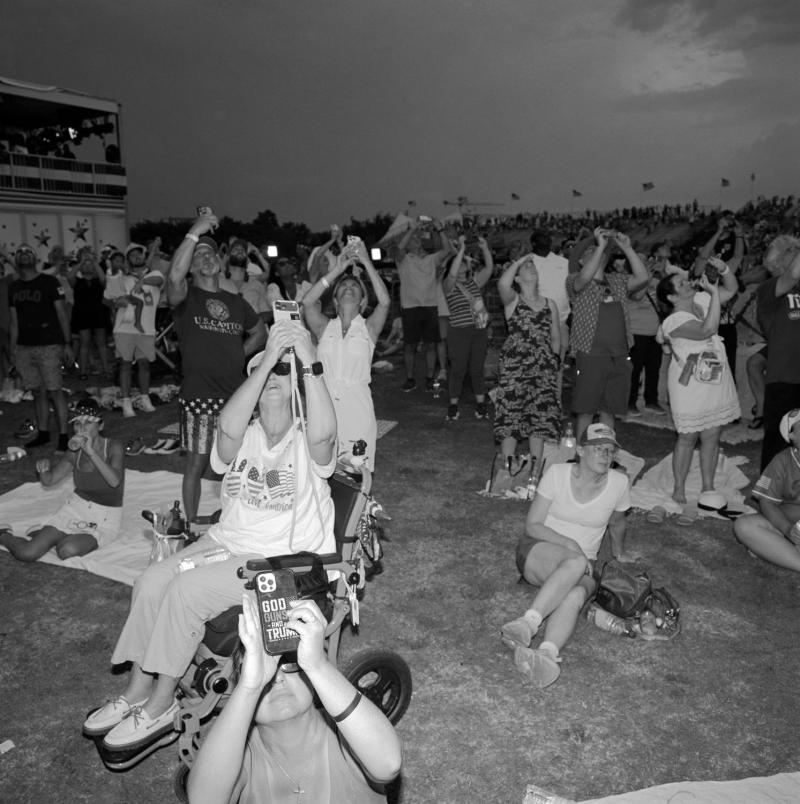
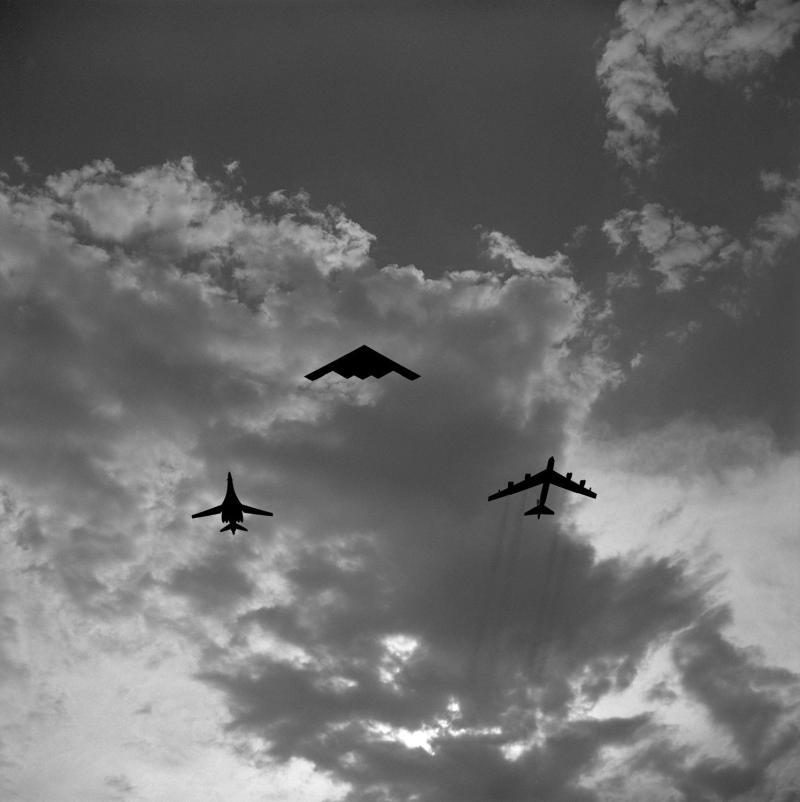
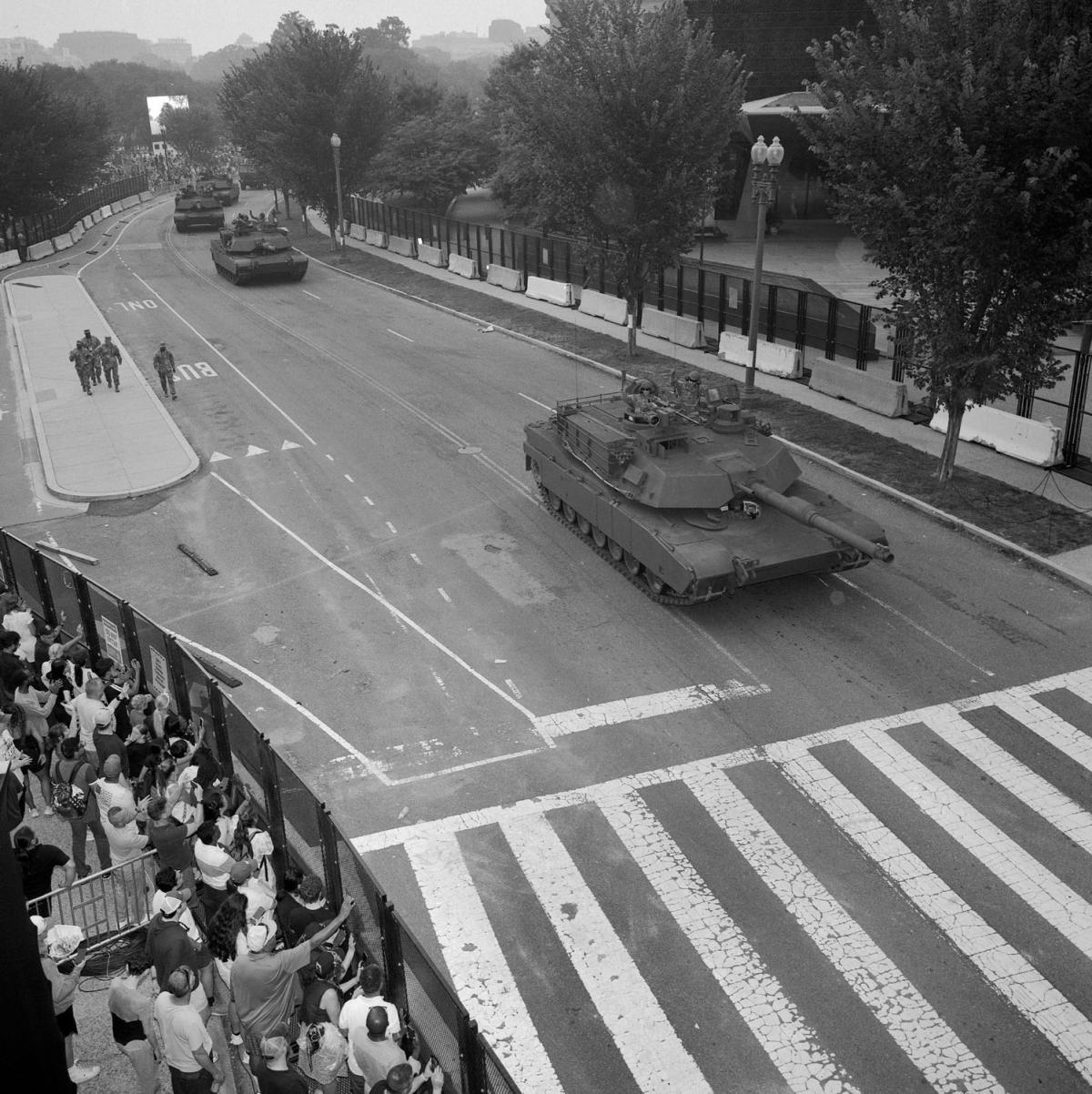
This past July 4, before thunderstorms threatened to spoil the party, I stood on the National Mall amid a crowd that had gathered to watch the Salute to America air show, a highlight of the Trump administration’s Freedom 250 celebration. I watched people around me look to the sky in anticipation of this exalted American spectacle, a military air show led by shrieking jet fighters like the F-35A Lightning II and ominous bombers like the nuclear-capable stealth B-2 Spirit. It sure felt like a moment for photography, these riches of technology and force. And yet none of it would be enough to deter a comparatively small but cunning adversary like Iran. It struck me then that, despite this display of awesome power, the era of American global military dominance was over. By then, many of the brightest military leaders and intelligence officials, some of whom I had photographed over the years, had either resigned or been fired.
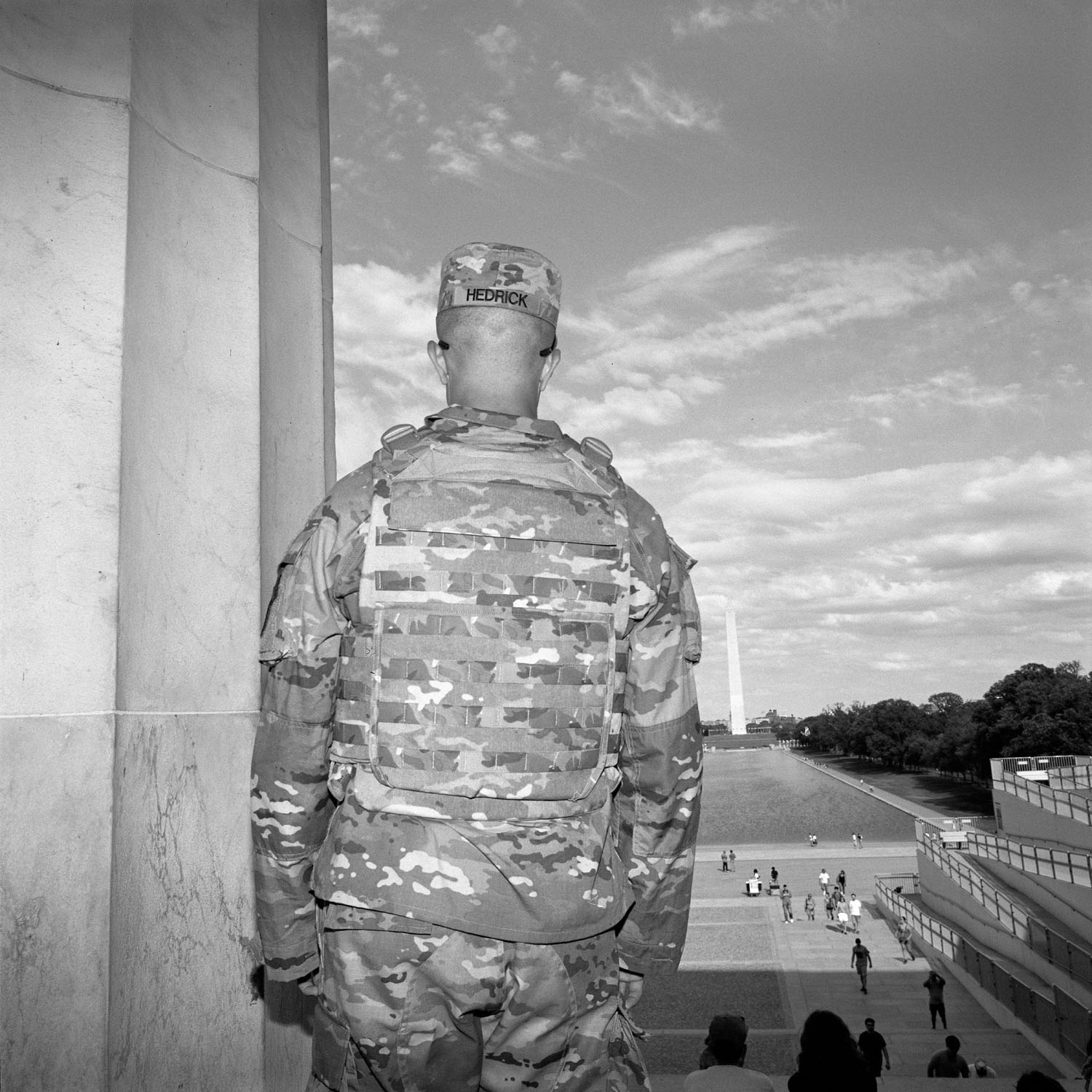
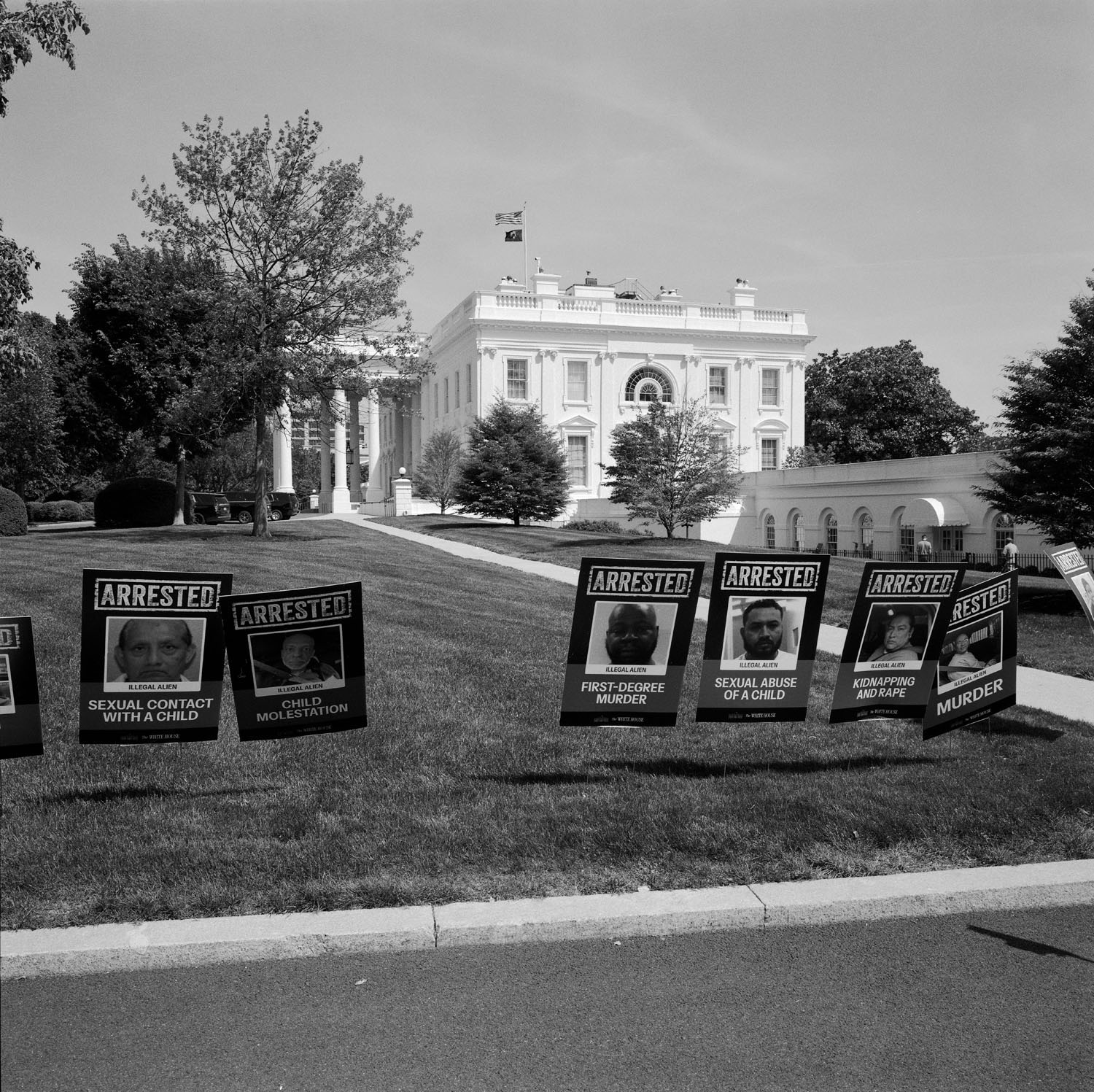
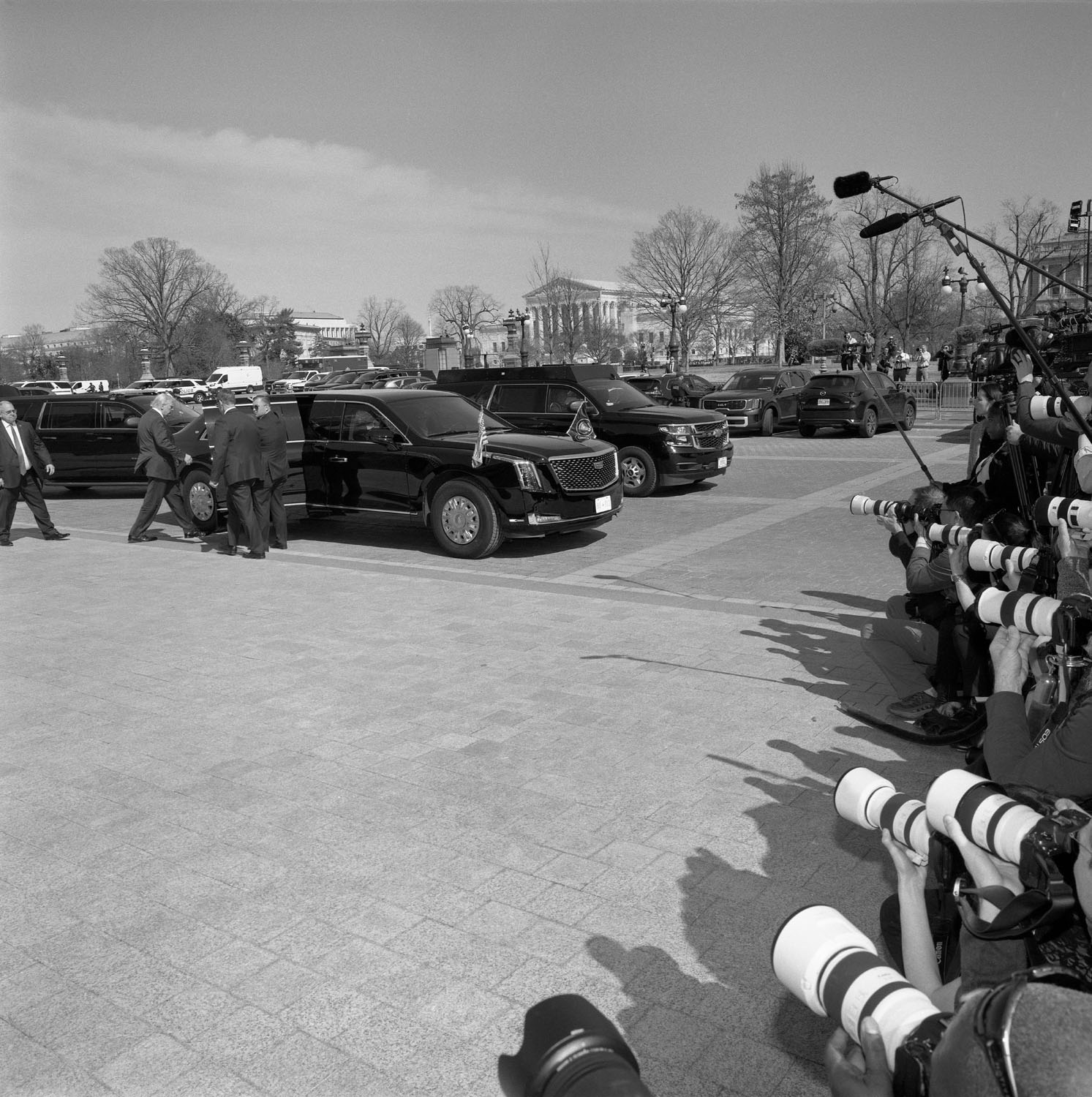
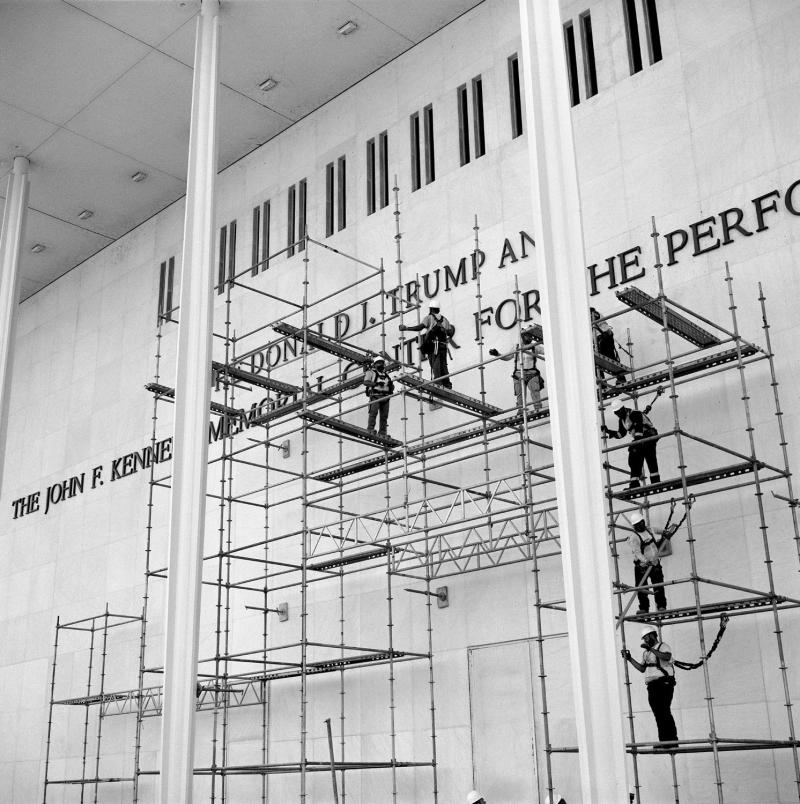
This current political era has been defined by a level of pageantry that pushes the theater of politics into the realm of the bizarre, and photography is at the center of it all. It seems fair to say that some visual journalists have been unable to scrutinize or see through the administration’s messaging and control. By being drawn to the visual splendor at political rallies—the special effects and outrageous performance—some risk their work inadvertently becoming propaganda. I’d go so far as to say that lately I’ve had trouble telling the difference between photographs produced by the White House and some photojournalists.
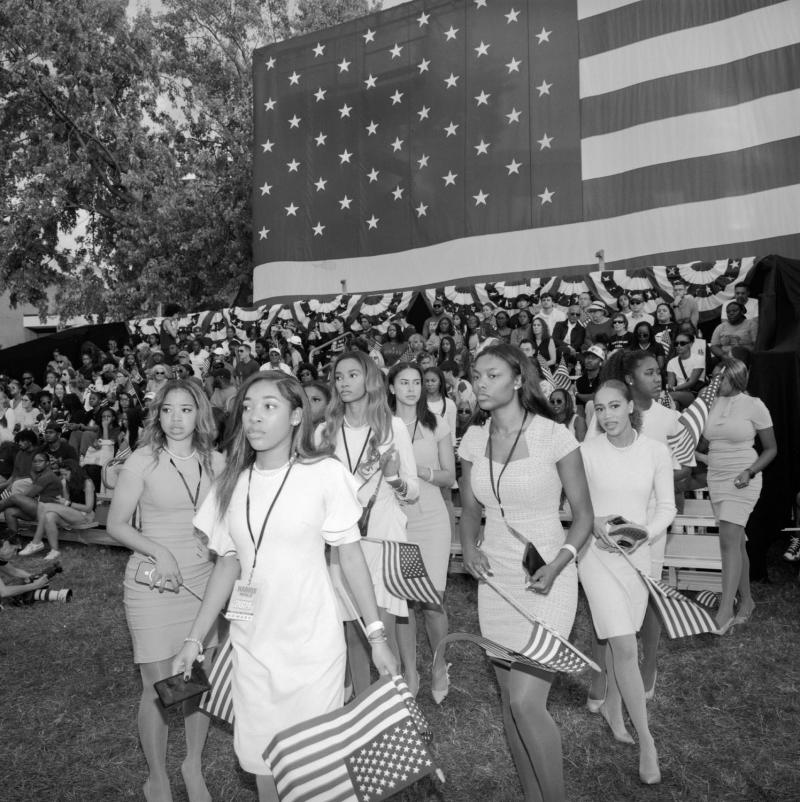
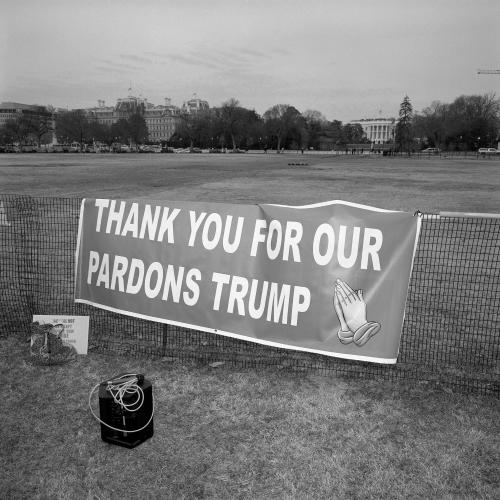
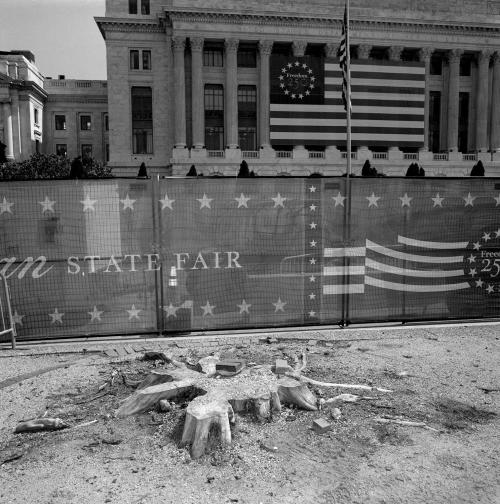
The crowd aiming their phones at the sky are also visual communicators. And yet I didn’t see them photographing the most important issue affecting them: the vacant offices left behind in government buildings as more than 260,000 federal workers were pushed out since the beginning of the second Trump administration—dedicated scientists, policy specialists, and innovative civil servants, among others. And why would they care? What’s a mothballed government office compared to billions of dollars of howling aircraft? But behind all the patriotic bunting, the flags and MAGA fashion on the National Mall that July 4, what stood out to me was a detail off to the side, near the trim of the Great American State Fair: an area of balding grass, a tree stump with bricks and debris in the foreground of the Department of Agriculture. This to me was nothing less than a still life of the Trump administration’s scorched-earth approach to governing.
I got my start as a photographer in 1991, as a freelancer working mostly for newspapers and magazines. In 2001 I joined the paper I grew up with, Canada’s The Globe and Mail. I then worked freelance and moved to Washington, DC, from Toronto in 2007, at which point I began covering American domestic and foreign policy. I covered the war in Afghanistan from 2006 to 2010 and made multiple reporting trips to Guantanamo Bay. I covered the US–Mexico border from 2011 to 2013 and captured the devastation of the war in Ukraine. But whenever I returned home to DC, my world of images was dominated by politics. Photographers I got to know early on, veterans like Scott Applewhite, Bill Clark, Stephen Crowley, and Melina Mara, were invaluable mentors. Washington is where my training as a political photographer began and continues, on the front lines of American democracy.
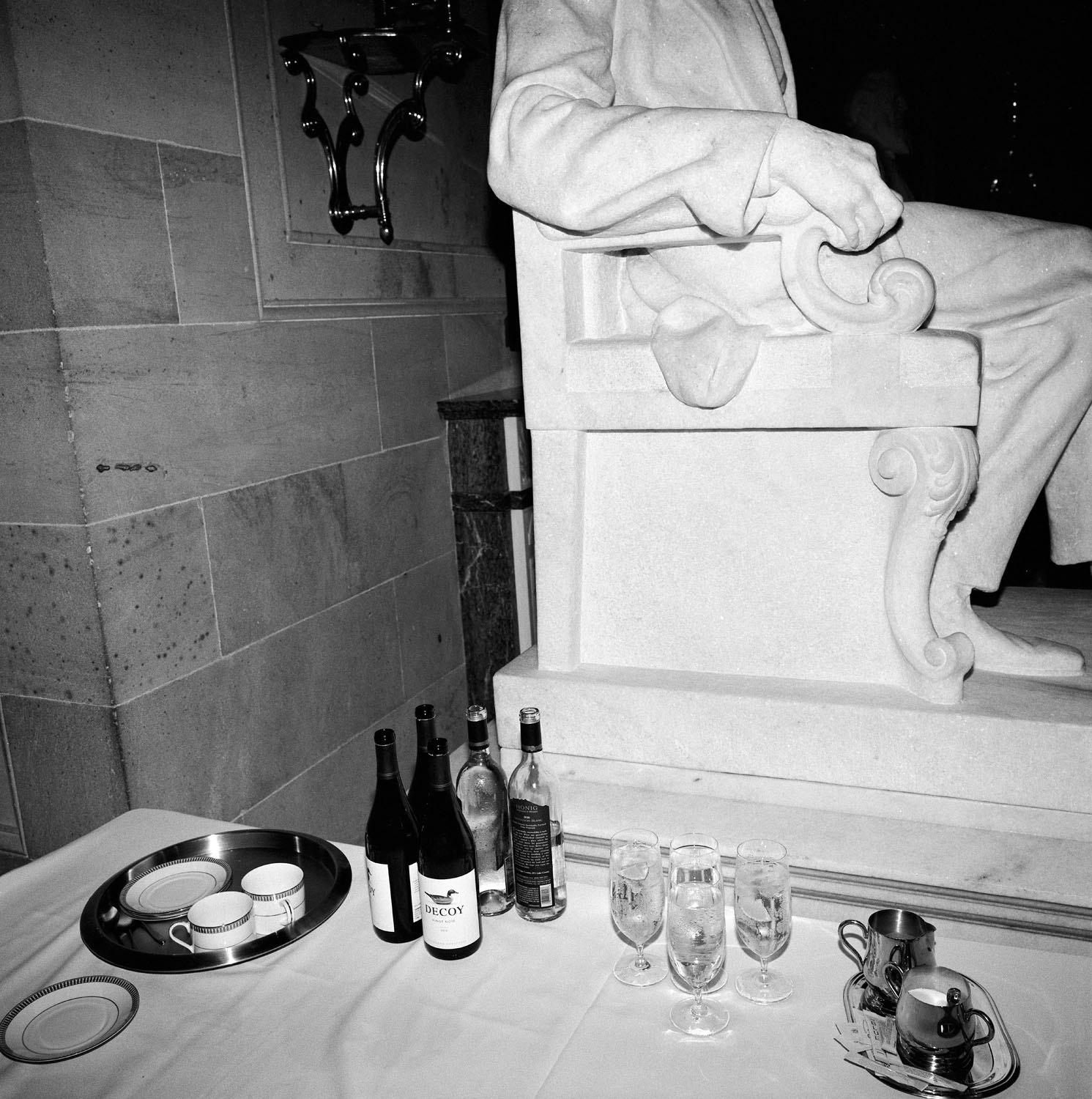
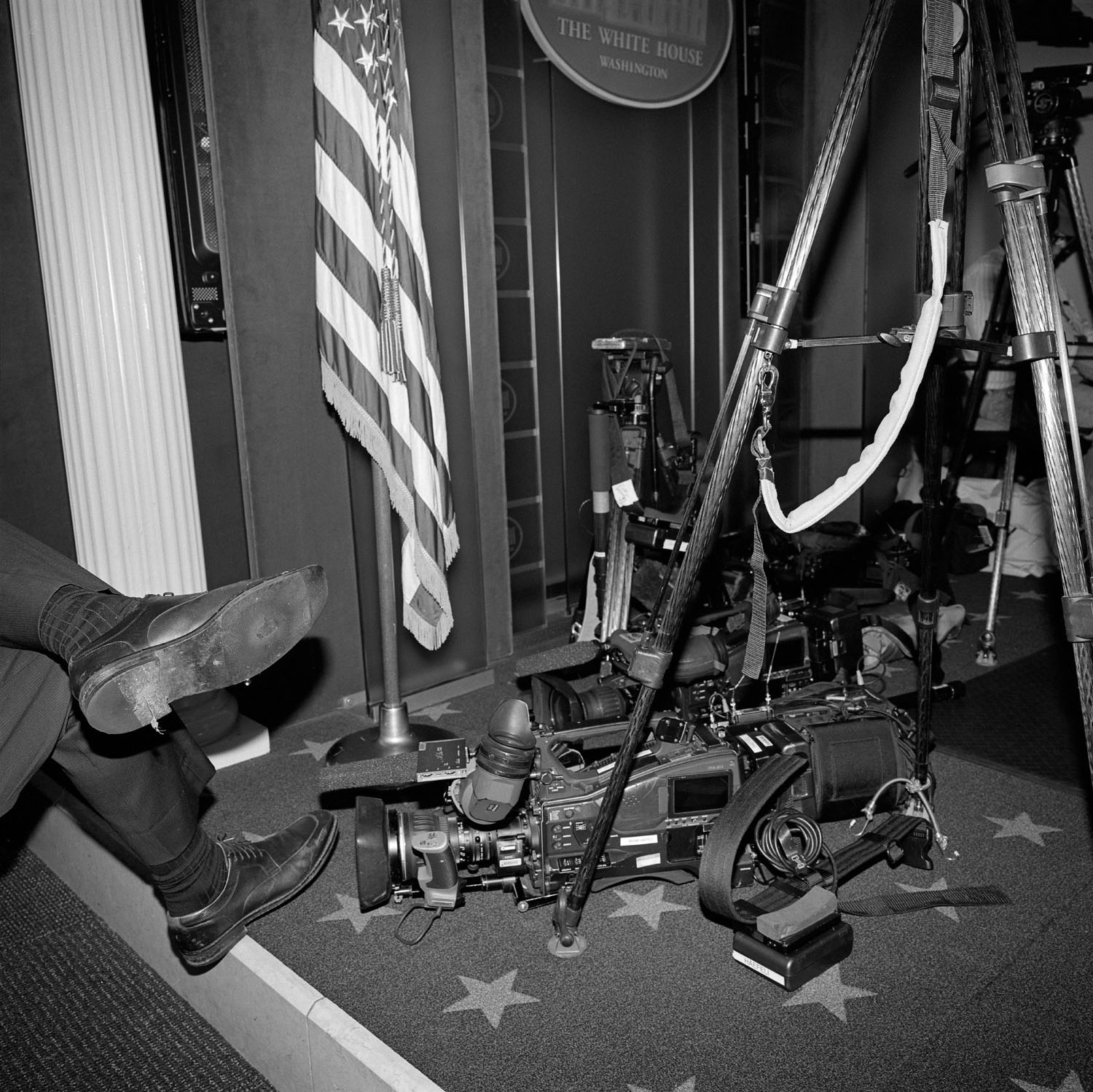
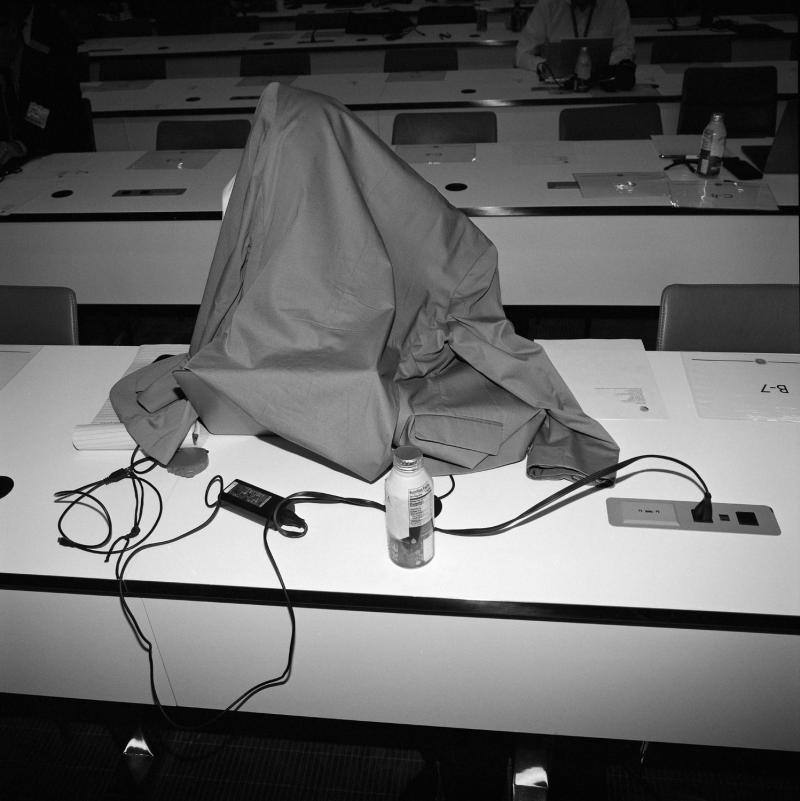
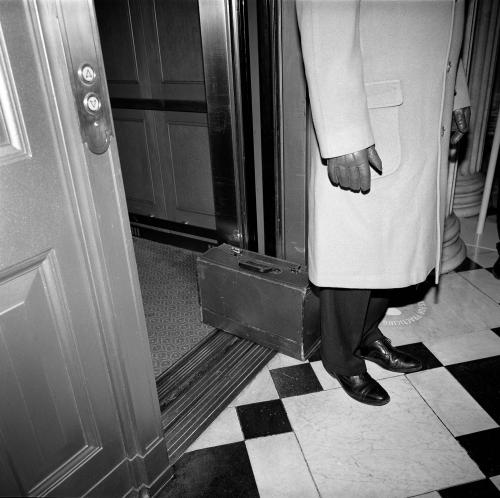
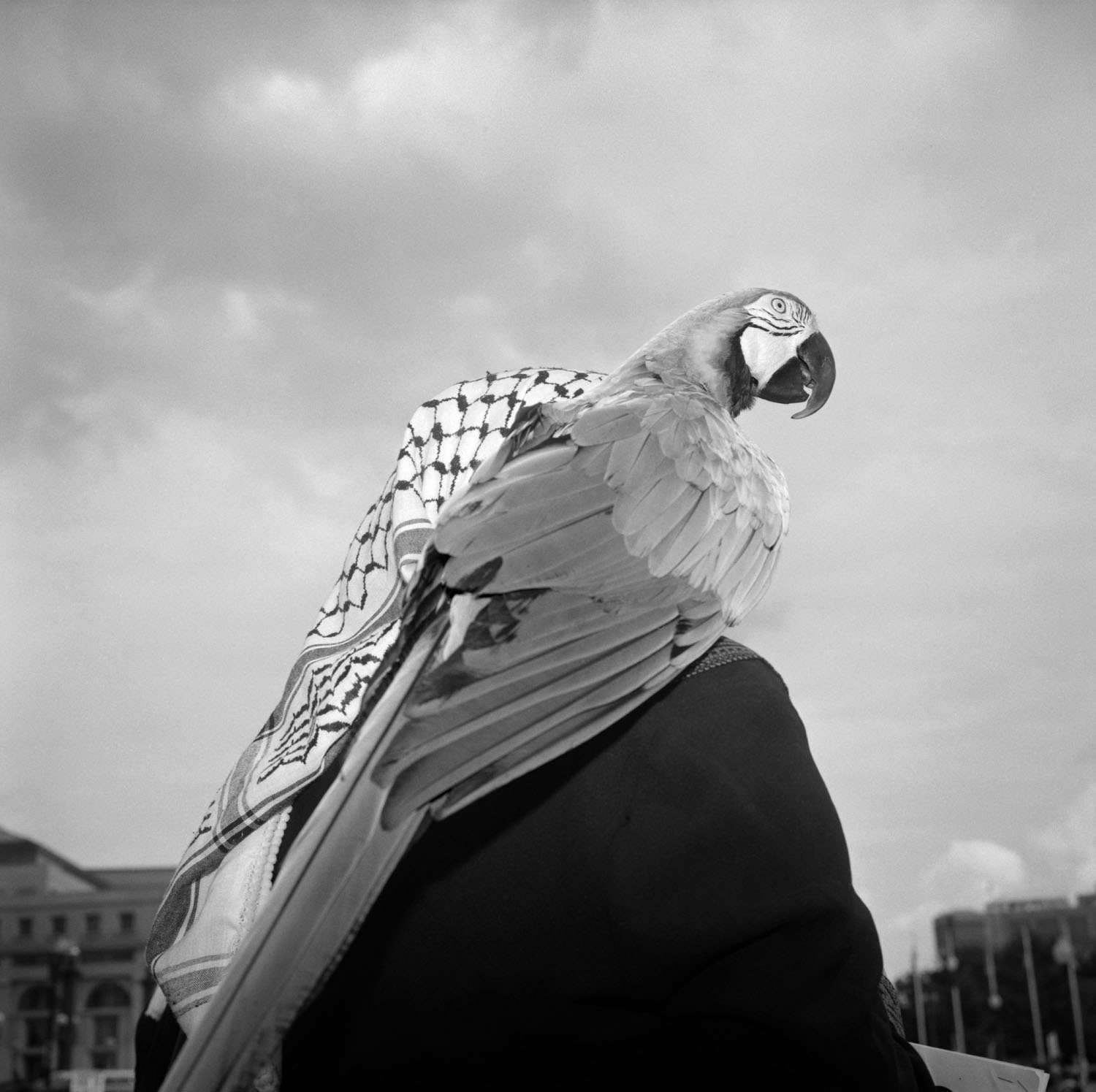
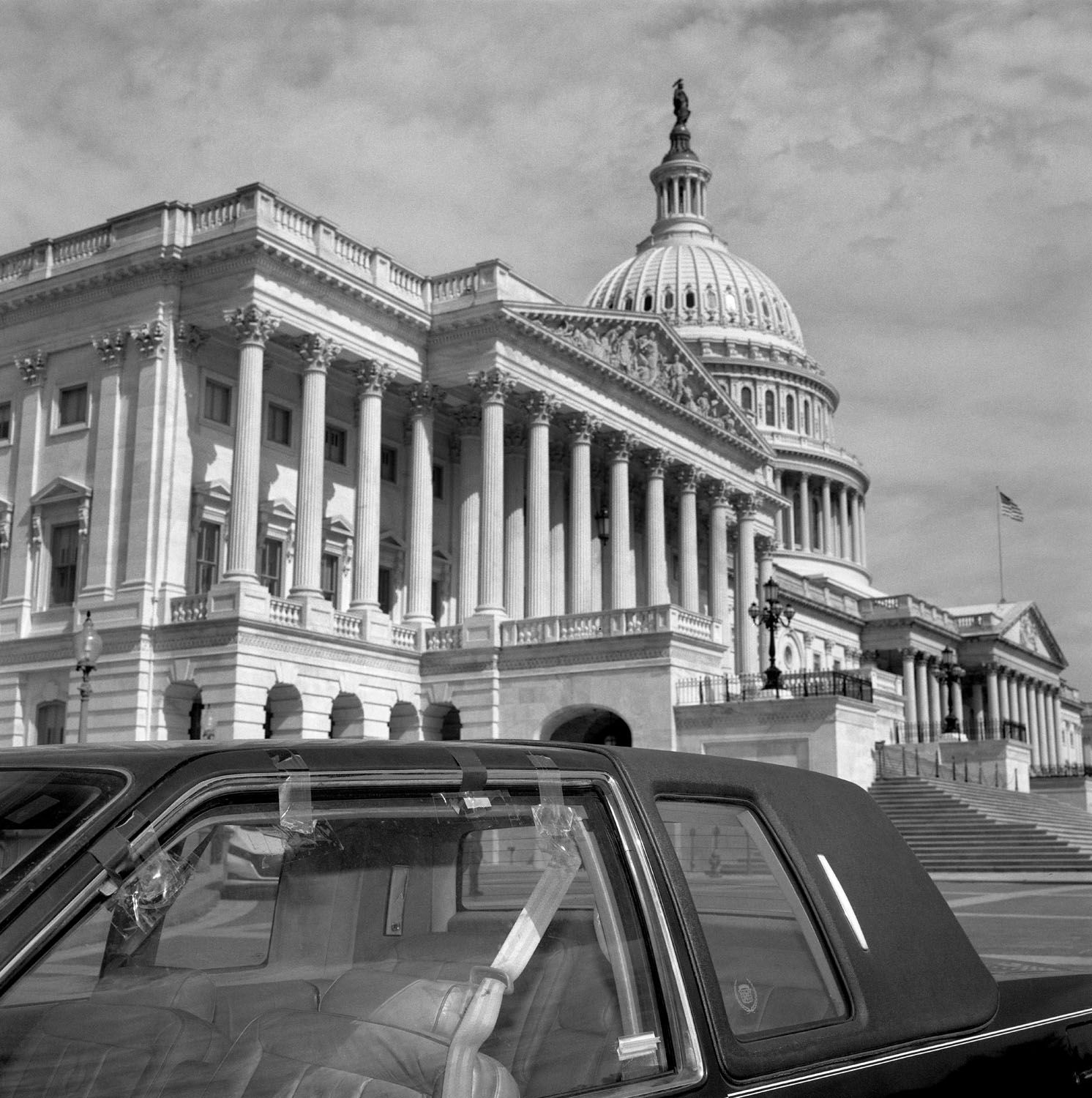
After years of covering Congress and the White House, what became clear to me was just how intertwined politics has been with visual strategy, how crafted the visual message can be. Much of the everyday reality of political life is overlooked because it feels too far removed from the headlines. But it was on the fringes of press events, out of view of the television cameras, out of the frame of photo ops that I was taught to dig for images that could offer some comment or critique on what was actually happening in politics. Sometimes this means looking for a spot where no one else wants to be, a counterintuitive position among the scrum of reporters. I recall a cocktail reception being held in a room near the chamber for the House of Representatives, where the catering staff had set up a table for drinks in Statuary Hall. On the table were bottles of wine, a few empty cocktail glasses; next to that, a statue of Alexander Stephens, vice president of the Confederacy, memorialized as an ordinary part of the scenery, blending the violence of that history into the background of everyday political life.
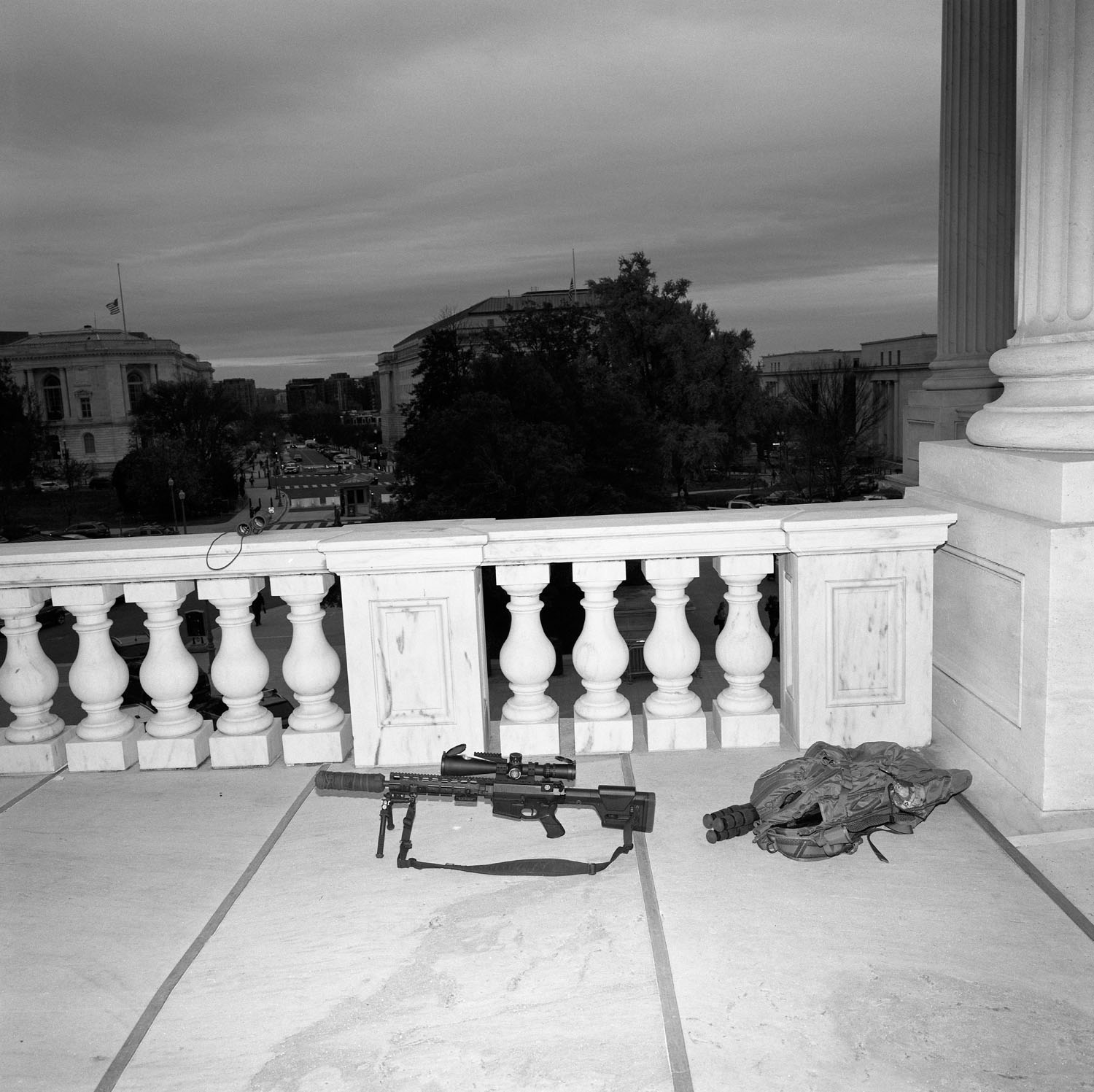
While my role here is to witness and record history, I’ve had a hard time comprehending what I’ve witnessed, if only for the sheer scale of what has unfolded in such a brief period of time.
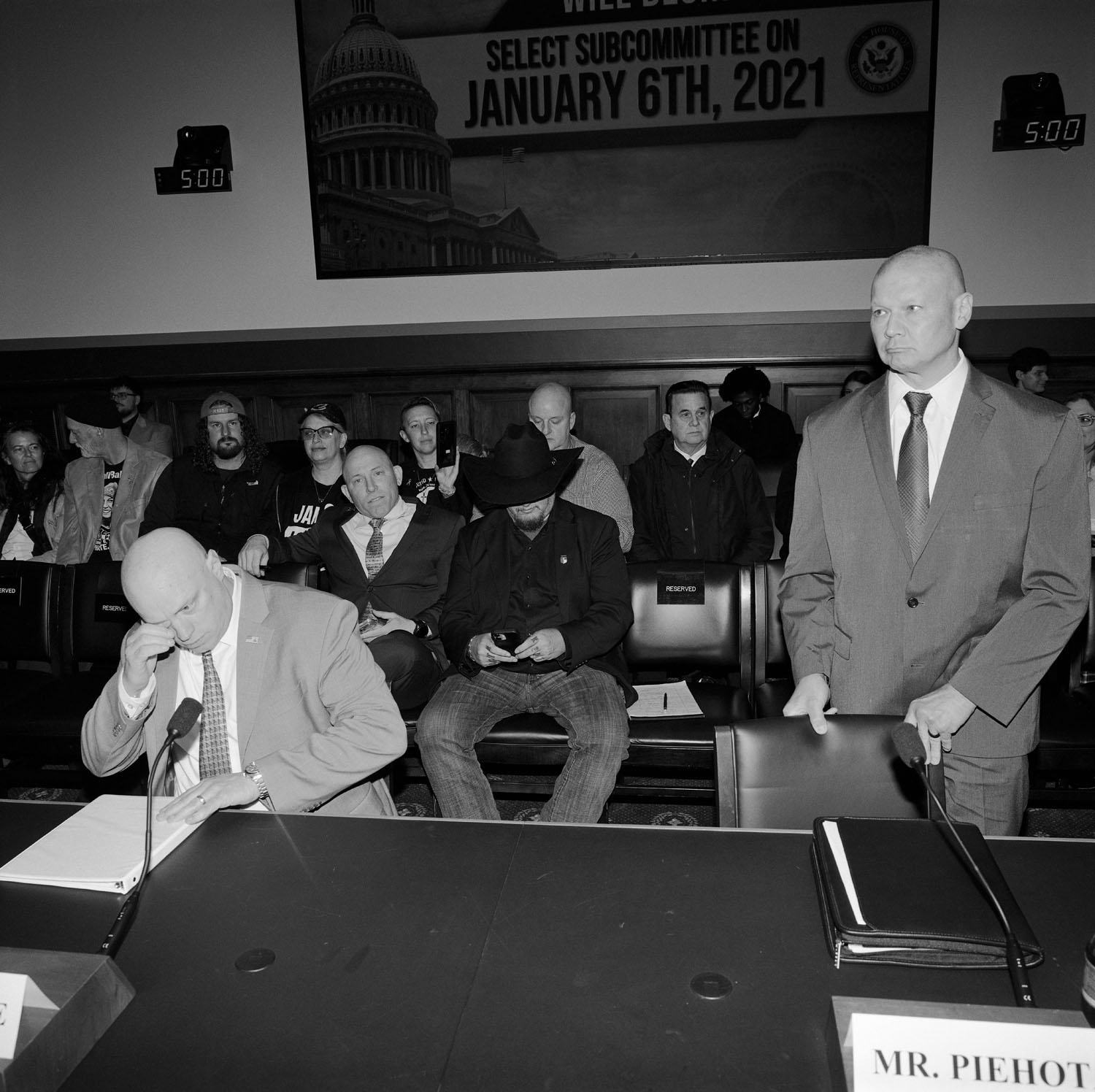
Since embarking on this project in 2019, I’ve covered three impeachments, a global pandemic, the end of Roe v. Wade, an insurrection, and a shocking dystopian press conference (of so many) where government officials justified the murder of American citizens in Minnesota at the hands of paramilitarized ICE officers. I’ve watched a reality television personality become one of the most destructive presidents we’ve ever had.
And yet, after all these years of working in and living in the strange, often dispiriting trenches of American politics, I naturalized and became an American citizen in 2025, nearly one year before those jets flew over us on that hot summer day. Many people have asked why I would do such a thing, given how ugly things have become in the United States. My answer never changes: I wanted to be an American citizen because of the photographers who inspired me to follow in the tradition of documentary work—namely, Dorothea Lange and Gordon Parks.
This country’s complicated and imperfect past is unavoidable. What’s more, not since we were a collection of British colonies have we been this close to living under authoritarian rule. But my narrative was shaped by a time when Americans were defined by their valor, compassion, and sense of fairness and when their country’s heroic reputation preceded them. During World War II, my parents’ region of Veneto in Northern Italy fell under Nazi control. Italian partisans turned the occupation into a guerrilla war that led to cruel forms of retribution against civilians. The Allies and partisans, led by American forces, defeated the fascists and liberated my parents; my father would speak vividly about meeting an American soldier as a child and being awestruck by him. Furthermore, my wife’s Jewish grandparents landed in the United States seeking refuge from their native Germany as it was transformed by the Third Reich.
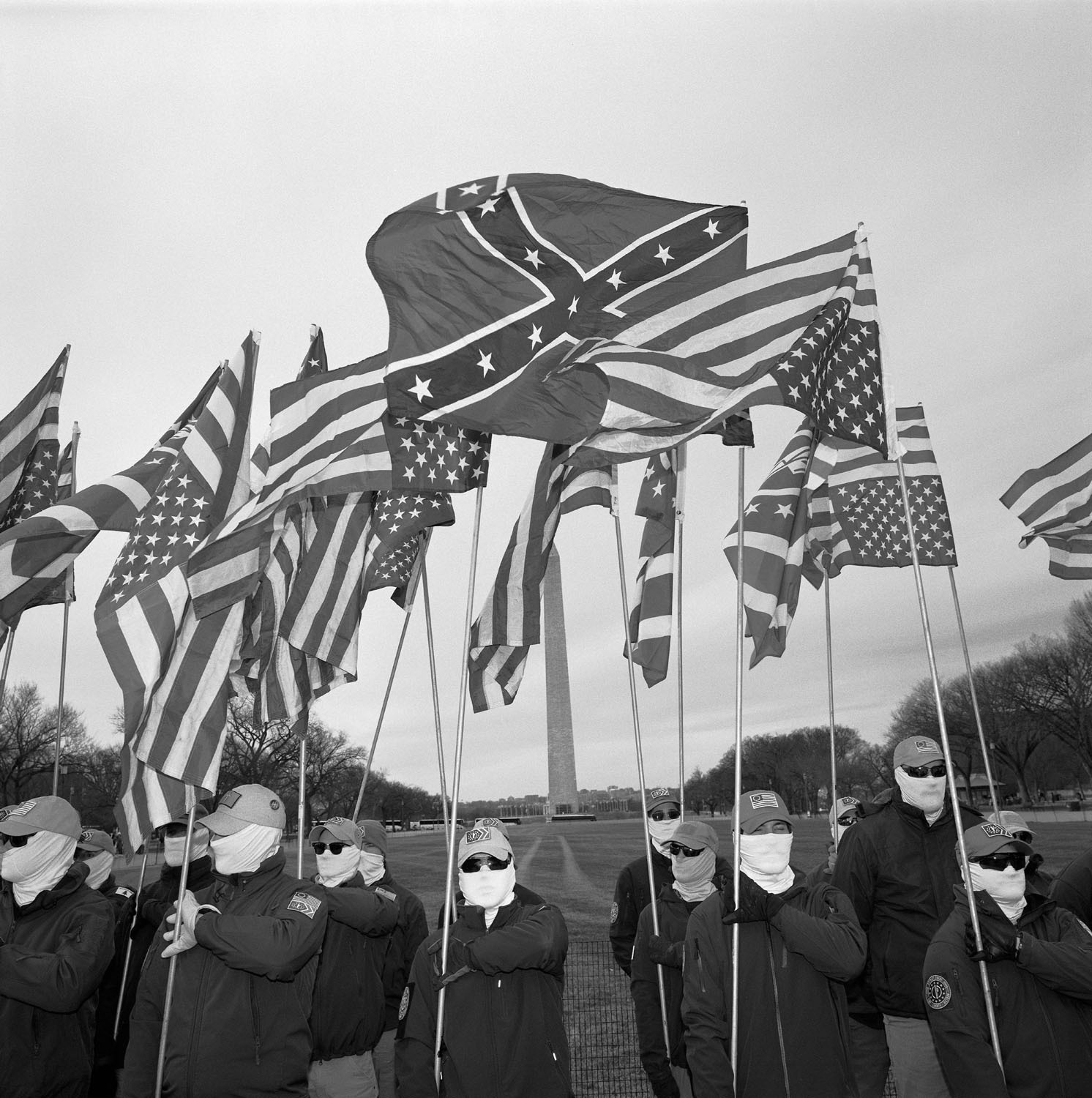
During Donald Trump’s second inauguration, in January 2025, I was walking by the Lincoln Memorial Reflecting Pool with my mentor, Ken Light, who photographed college protests as a student during the Vietnam War. Light lamented the possibility that the progress he and his friends fought for in the 1960s and ’70s, particularly for civil rights, could be rolled back by this administration. He had no idea how prescient he was. There’s been no shortage of Republicans using Nazi messaging and imagery, emboldened and normalized by Trump’s wing of the GOP. As recently as this past September, Ohio Republican Senator Jon Husted’s campaign political director, Stephen Woytek, was fired after it had been discovered that he’d posted Nazi-related content on his social media account.
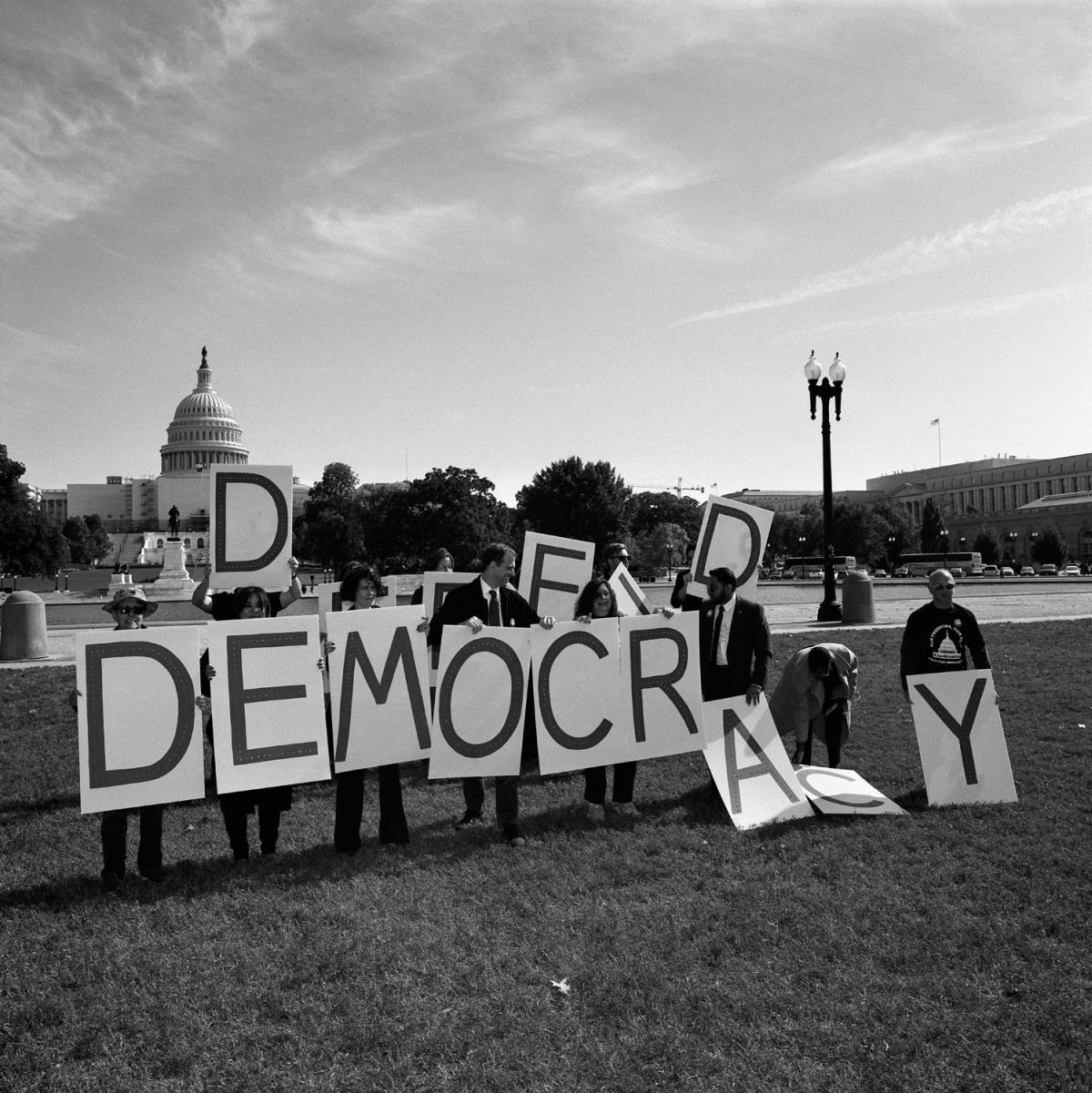
It certainly feels as if the fascism my parents experienced has been making a comeback, not just here in the US, but globally. Given the lessons of history—and especially when I consider my family’s history—it can be easy to despair over where things seem to be headed. Those historical nightmares are all preserved by the art I practice, as are the signs of what’s to come. But photography can also point to forms of resistance. Lange’s work in particular helps keep my head on straight, especially her iconic photograph from the Great Depression of a battered little gas station where someone had posted a sign under the air pump: this is your country don’t let the big men take it away from you.

Louie Palu is a photographer and filmmaker whose work has received a Guggenheim Fellowship and World Press Photo Award. Based in Washington, DC, he has covered US foreign policy and politics for twenty years.