Image

Utica, NY, 1967
“Lady Luck,” Uncle Bob said after I finished a litany of complaints about my school. “Just you wait. She’ll sneak up with a couple of aces when all you’re expecting is another losing hand.” It was Sunday dinner, roast beef, which Bob never missed.
In my opinion, the flush or low pair—twenty-one or bust, as Uncle Bob put it—were dealt a long time ago. I’m just turning over the cards. I have red hair, same as Dad. With that, of course, freckles. And glasses, ever since Mom bought me a strap-on training version at age three—“cute as a bug’s ear.” Nothing cute about any glasses in the eyes of my peers. Nothing cute about the package: red hair, freckles, strap-on glasses. That’s not luck; that’s genetics. “If it’s all luck,” the saying goes, “the bull may as well calve as the cow.”
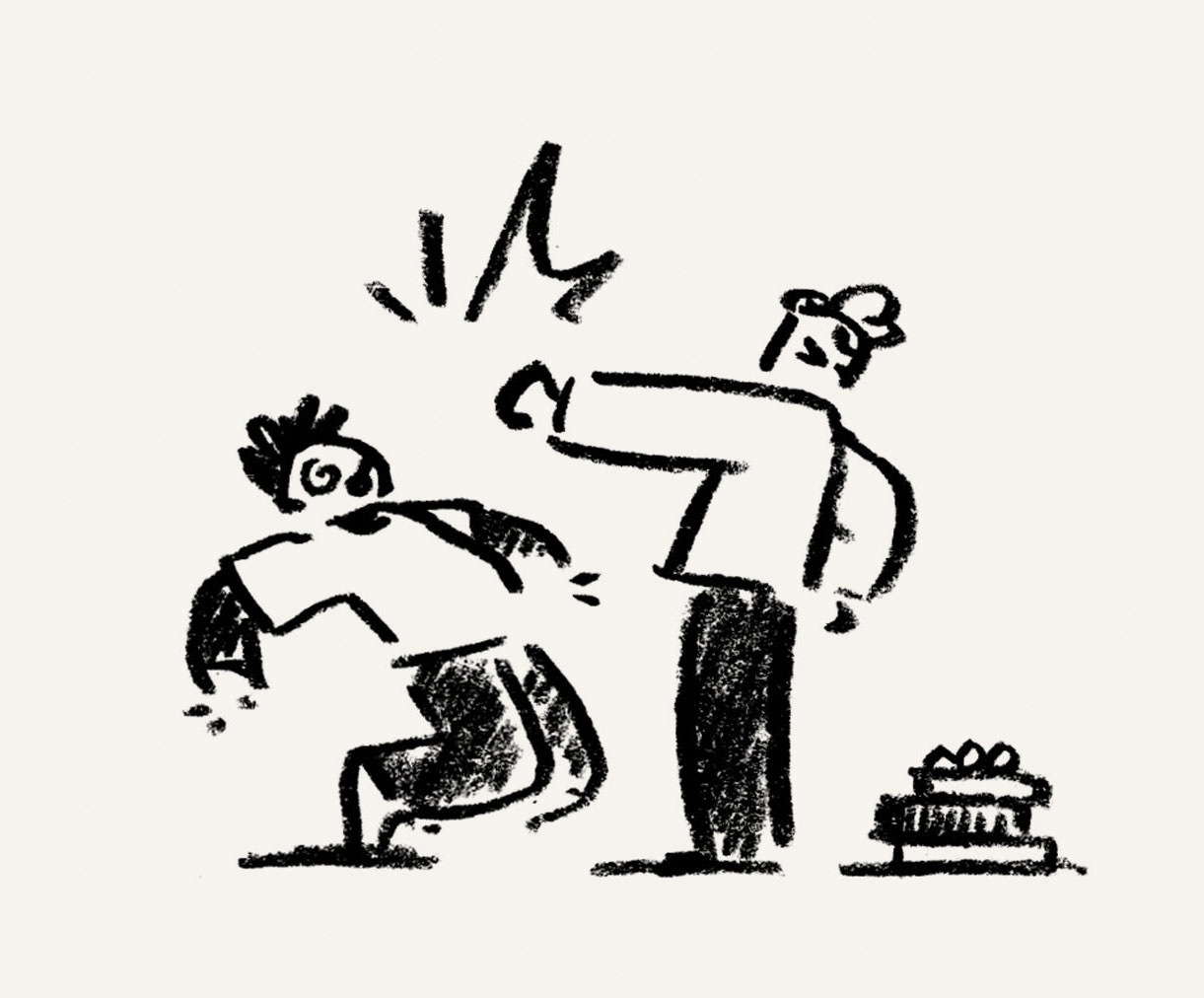
Also, I’m short and skinny with no muscles. A few months ago, Wayne Redding stopped in the hall where I’d opened my locker, stuck his hands under my armpits, and lifted until my face reached his, wide as a basketball. “You’re a stupid stick,” he said. He turned me upside down and dropped me. At that moment I learned that when stars stream out of Road Runner’s head after an anvil whacks him, it’s not made-up. I saw those stars, each with five golden points and a stardust trail. “You’re lucky,” the doctor on call told me. “It’s a mild concussion.”
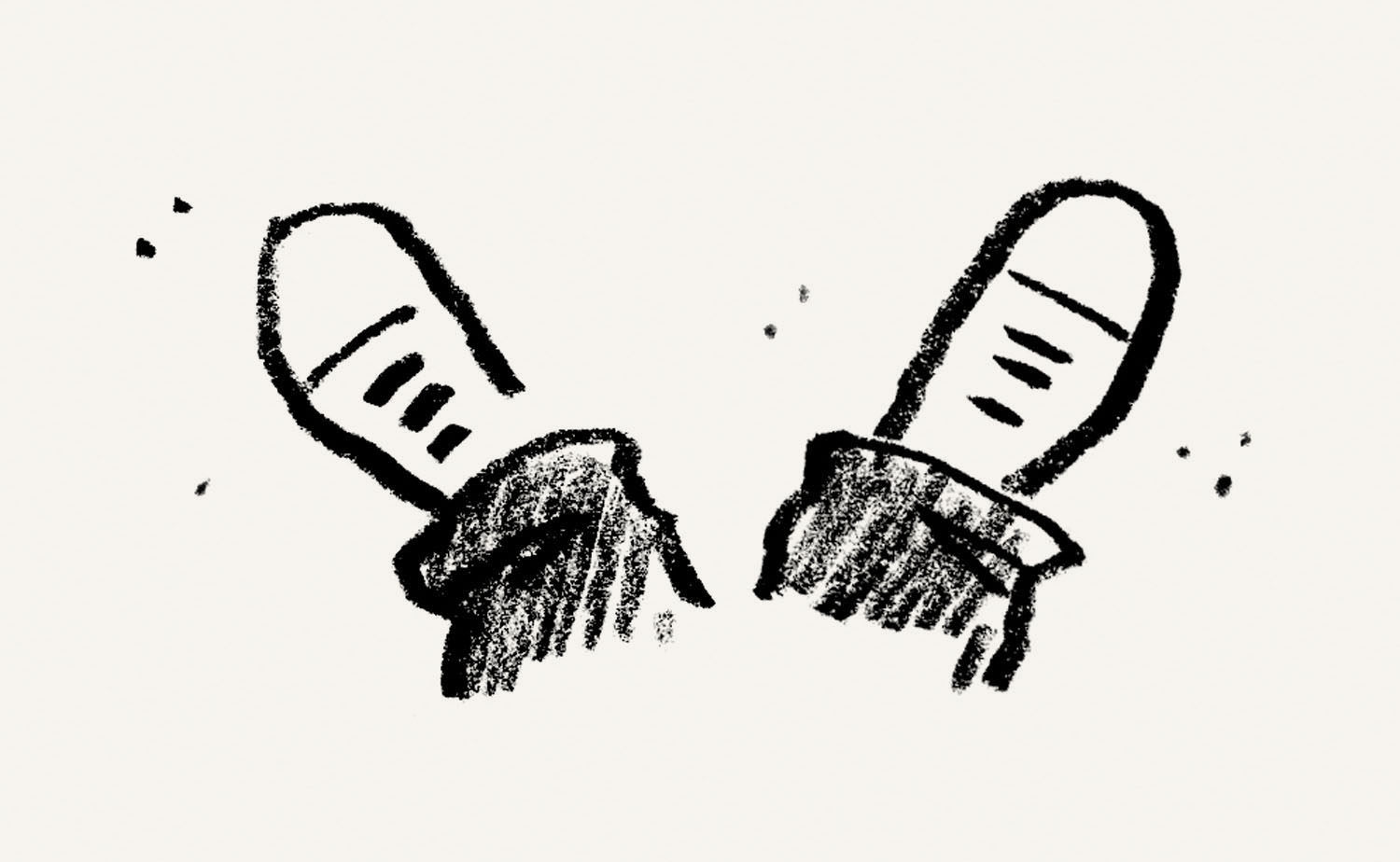
My feet don’t point forward like most people’s; they angle at forty-five degrees, each with its own direction in mind—is that luck? To try and fix it, Dad would make me march up and down the living room with my feet rigidly parallel. “Much better, keep it up,” he’d say. But I saw the worry in his blue eyes. Walking like that made my ankles ache, so whenever Dad left the room I walked the way that didn’t hurt. With their ability to zero in on your weakest feature, kids at school started calling me Ducky.
“You’re smart,” Mom said, breaking into my reverie. “The kids who tease you are jealous. That’s what’s going on. They wish they could be as smart as you.”
But that wasn’t what was going on. As Uncle Bob likes to say when Mom isn’t around, “It’s better to be born lucky than smart.”
Being smart lets me see how I’m ducky instead of lucky. It’s a mathematics problem. How many kids’ fathers die when they’re ten years old? Of those, what fraction don’t have siblings? Of this subgroup, how many have a mother who sees silver linings during endless thunderstorms? That boils the number down.
No, school bullies are happy being big, stupid, and cruel as long as they walk normally. They have 20/20 vision without glasses. They enjoy contact sports, broken arms, and stubbing out cigarettes on curbs after school lets out. They like dropping kids on their heads.
“Remember when you got dropped on your head?” Uncle Bob said, slicing into his roast beef.
“Some of it,” I replied. “I had a concussion.”
“Tell me about the kid who did that.”
“Wayne. A foot and a half taller than me. Brown hair. On the junior-varsity football team. Girls like him.”
“So a big twelve-year-old,” Bob said.
“Thirteen,” I said. “Maybe fourteen. Definitely shaves. Maybe twice a day. Sixth grade was tough on Wayne. Fifth grade too. He can’t read.”
“Okay, so he’s thirteen or fourteen. The point is, in ten years he’ll be fat, bald, selling used cars in a JC Penney three-piece. He’ll have four snotty kids.”
“Doesn’t sound bad,” I replied.
“His wife cheats on him with his boss.”
“Bob,” my mother interjected. “Please.”
“Forget the cheating part,” Uncle Bob said, forking a carrot. “But remember the rest. I know what I’m talking about, believe me. Win early, lose late.”
“Or lose early,” I said, in my best ironic inflection. “And lose late.”
“That’s right.” Bob helped himself to more mashed potatoes. “You got it. That’s the spirit.”
When Joey Papindreau’s mother got into that car accident at the intersection of Route 5 and Oneida Street, Joey popped through the open window onto a bed of moss in a ditch, not a scratch on him. A miracle, everyone said. Lucky as can be. But his mother and baby sister got squished in, not popped out, no moss, no ditch, which illustrates the two-sided-coinness of luck. “Give a man luck and throw him in the sea” means a man’s luck can save him in the worst of times.
Uncle Bob once quoted that, applying it to a friend who’d won the state lottery jackpot. “His life was a sea of nightmares,” Bob said, “if you follow my drift. Flotsam and jetsam from a shipwrecked marriage. But he won fifty thousand dollars, sheer luck. He can buy himself a yacht. A small one, sure, but a yacht.”
“A small yacht on a sea of nightmares?” I couldn’t follow his metaphor.
“That sea,” Bob said, “is, well, it’s me.” He set a hand on his heart. “I fall backwards, I break my nose.”
You might say luck kicked in for me one Monday afternoon. You might, but I’m not so sure.
The day before, I’d walked to Rick Bianco’s house to see if he wanted to go sledding. Rick’s my size and likes to read science fiction. He’s got a big, older brother of the bully persuasion named Frank, so Rick doesn’t get tormented for his nerd tendencies.
Instead of Rick, I saw his cousin Louie leaning on the back porch railing. Louie was rarely up to anything good.
“What’s going on, Ducky?” Louie asked.
“Looking for Rick.”
“Yeah? I’m looking for Frank. But no one’s home. Why d’you want Rick?”
“Thought we’d go sledding.”
“You got a sled?” Louie walked casually down the porch steps.
I prepared to bolt. Some bullies get you relaxed with quiet talk as they drift closer. Then you’re on the pavement with their knees bouncing on your chest.
Louie glanced around the backyard, then coughed and spat a yellow gob near my foot. “Feel like doing something?” he said.
This was odd. He wasn’t staring like a cat about to pounce.
“Sure.”
“Then let’s get your sled.”
We walked to my garage for the sled, which I pulled as we made our way over Van Vorst and Oneida Streets to the park. We trudged up the hill ending at a line of pine trees. For the rest of the afternoon, we slogged up and sledded down, taking turns steering. I steered better than Louie, who kept jamming the crossbar right when he meant to go left, and vice versa, barely avoiding trees and other sleds and toboggans. But near misses made it more fun, and while we flipped over a lot because of Louie’s steering, that was fun too. For the first hour I worried that new Louie would revert to bully Louie. He might, for example, claim my sled. I’d seen it happen. A claim becomes reality. That’s my bike. That’s my model airplane. That’s my baseball. That’s my toy boat. That’s my sled. And a second later, it is in fact the bully’s sled, and it always was.
That worry faded. It was luck, I suppose, to be with Louie when he wasn’t around his buddies. After the twentieth or so ride down, we sat on the bench by the skating rink and took off our mittens and hats because we’d gotten hot. Louie seemed more winded than me. The afternoon had passed, and it was getting dark. Streetlights came on.
“We should go,” I said, but Louie didn’t answer. He leaned forward and with his bare hands packed snow for a snowball.
“Once more,” he said, standing up. “One more time.” He tossed the snowball, missing the trunk of a tree.
So we trudged up and sledded down one last time. Then I said I really had to get home.
On the way back, we pulled the sled together. He asked what I was doing next.
“Dinner.”
“Yeah?”
“My uncle Bob’s coming over,” I said. We reached Oneida Street, where Louie goes left and I go right. “He eats dinner with us on Sundays. Actually, most nights. And he watches TV at our house by himself when Mom and I go to bed.”
“Yeah?” Louie said.
“Why don’t you come?” I said. “Mom always makes too much food.”
Louie seemed about to say yes, but something in his face changed.
“Nah.” He shrugged. “Forget it.” And he walked away.
The next day at school was the same as any other. I scored a 100 percent on the math test in third period. I bumped up against Darlene Daniels in a crowded hall on the way to gym. I had a long drink at the water fountain by the nurse’s office. After last period, I fetched my books and jacket from my locker and started down the school’s front steps. At the bottom I saw Louie with three buddies.
“Ducky,” he said. “Good old Ducky. I’ve been looking for you.”
There was no mistaking Louie’s intent. My arms were full of books—history, math, science—so I couldn’t run. Standing still would make me a more tempting target. With his buddies around, there was no point trying to reason. So I kept walking.
“You stole my mittens yesterday,” Louie shouted.
“I didn’t,” I said, looking straight ahead as I walked.
“You stole them,” Louie repeated. “Soon as you’re off school grounds, I’m gonna teach you a lesson.”
My heart was pounding, and a small crowd of boys began to gather at the curb where, theoretically, “school grounds” ended.
The littlest kid in Louie’s gang began chanting “Chack, chack!”—he couldn’t say “Quack! Quack!” because he was chewing a wad of gum. Then everyone took up the chant.
“Quack! Quack! Chack! Quack! Quack! Chack!”
“You stole my mittens,” Louie shouted above the quacking. “You’re gonna pay.”
I didn’t see any escape route, so I stepped onto Webster Street, crossing the invisible boundary.
“Put the books down,” Louie commanded.
I did. If he’d said, “Crow like a rooster,” I’d have done that too.
I set my mittens on my books so they’d be safe while whatever happened next happened. I faced Louie, conscious of a cramping in my stomach.
Louie took a deep breath and charged with hands clenched into fists. I stuck out a fist and shut my eyes.
Here’s the lucky part: Louie slammed his face into my fist and fell backward. He didn’t get up, but lay still. I stared at him, bewildered, my hand throbbing. Didn’t he see my fist? Then I jumped on his chest because that’s what you’re supposed to do. His fall knocked the wind out of him, so he couldn’t push me off. A wiggly line of blood trickled from his nose to his ear.
“Give!” I shouted—what you yell when perched on a kid’s chest. I realized then that Louie was having trouble breathing.
I hopped off.
Now he was gasping for breath.
“I’m sorry,” I said. I picked up my books and mittens. I thought for a moment how amazing it was that my glasses stayed on my face the whole time. Louie stood up slowly and bent over, hands on his knees, taking in quick, shallow gasps. I saw him wipe blood from his nose.
I wanted to tell him something, or ask something, but words didn’t come. Somewhere, the word hurt; somewhere, the word friend. I wanted to ask Louie why he was breathing that way. Did his mom know? Did his doctor know?
Then Louie lunged, punching me in the face so my glasses snapped off and my books tumbled down. When I stumbled backward, he pushed me to the pavement and scrambled on top of me. I couldn’t see his face, only an angry blur.
But Louie had violated a code. In a rush of moral outrage, his buddies grabbed his arms and yanked him off.
“No fair!” the biggest shouted. “Ducky was holding books.”
“No fair,” two others called out.
“I’ll get you,” Louie snarled at me. “I’ll get you back, you’ll see.”
“No, you won’t,” another of his gang said, a plump kid with a crew cut. “No one likes a dirty fighter.”
The littlest—the one shouting “chack”—picked something up off the ground. He fiddled with it. Then he handed me the broken glasses, stuck together with his gum. They were crooked, but I could see, so I gathered my things and, without saying a word, started home.
I ran upstairs to avoid my mother, who was making dinner in the kitchen. I stacked my books on the bathroom floor. I was shaking—not just my hands, my whole body. I vomited the school hot lunch in the toilet. In the mirror above the sink, I saw a bruise on the bridge of my nose, extending toward both eyes.
At the dining room table, Uncle Bob glanced up and asked, in a cheery voice, “How was school?” He poured himself some milk.
“What’s on your glasses?” my mother said. “Is that gum?” And a second later, “Do you have a black eye?”
As we ate bowls of beef stew, I told the story.
“I don’t want you fighting,” my mother announced when I finished.
She gathered our bowls.
“Talk to him, Bob,” she said. “Tell him. I’ll make coffee. And there’s apple pie.”
She scurried to the kitchen and closed the door.
Bob took out a cigar from the inside pocket of his jacket. He couldn’t smoke in the house, but he enjoyed sucking on one.
“When I was your age,” he began. He glanced out the window to the backyard.
“Doesn’t matter,” he said. He slipped the cigar back into his pocket.
“What happened, as I see it, is a combination of luck and…luck.” He sipped his milk. “I have to say,” he added, “no skill.”
“I lucked out,” I said.
“You did. You came up aces.”
“But Louie won’t forget,” I said.
Bob glanced at me sideways. “You messed up that boy’s world.”
Now, along with everything else, I’d have an asthmatic, half-blind bully stalking me. Where exactly is the luck in that?
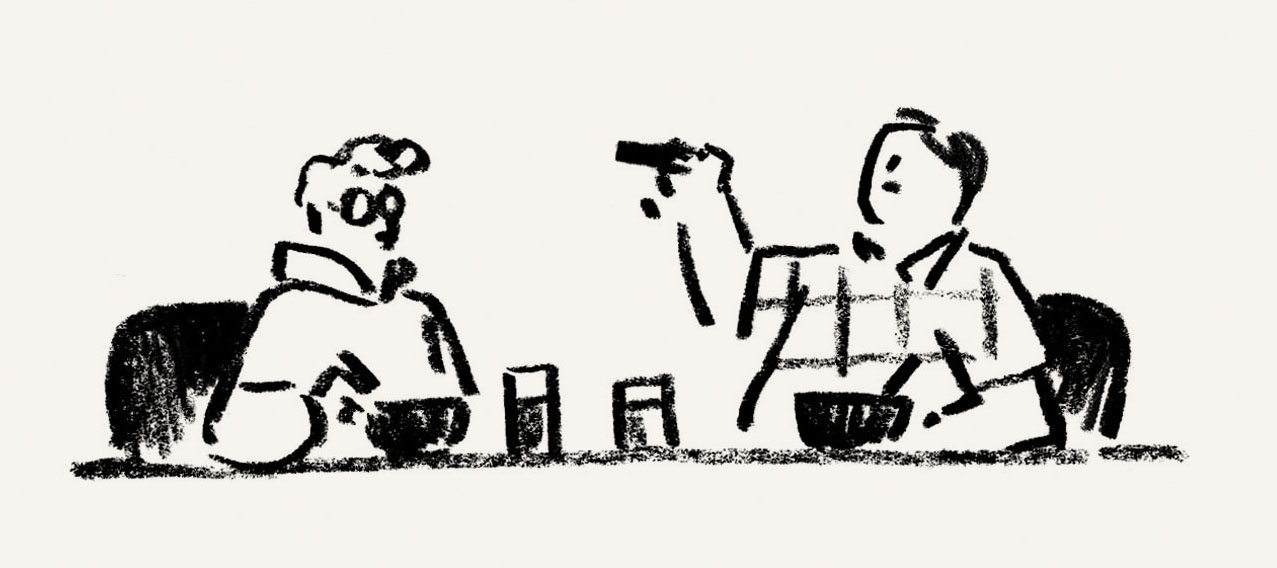
“His world had to get messed up,” Bob added. “He’s not bully material, even if he’s capable mentally. He was bound to run into a fist. He’s lucky it was you with, you know, your tiny fist. Most kids would have bounced on his chest till it caved. But you got off and apologized. Not sure why, as that didn’t advance your cause, but, you know, everyone makes mistakes.”
My mother walked back in, frowning, with a tray of cups and saucers, and a carafe of coffee.
Bob smiled. “We’re all set,” he told her. “Everything’s settled.”
Her frown deepened.
“Your son did the right thing today,” Bob said.
“How’s that?” Mom said.
“He stuck his fist out. Lady Luck saw, and she pushed the bully’s face into it.”
“That doesn’t make sense,” Mom said.
“Let me put it this way,” Bob said. “He was due some luck and what was due got paid in spades.”
“He shouldn’t have been fighting. That’s what you’re supposed to tell him.”
I saw things differently than either Bob or Mom.
The way I saw it, there’s luck due everyone.
It’s due Wayne Redding, who can’t make sense of words he stares at in books, and likely never will.
It’s due Daniel, Rick’s younger brother with that limp ever since he could walk. Bad luck for a lifetime.
It was due my father when he got blood cancer—bad luck at age thirty-nine for him and everyone who loved him.
And it’s due my mother, suddenly alone, taking a job stocking shelves for that cheapskate Mr. Humphrey at the hardware store. Where’s the silver lining around that storm cloud?
Luck is due Louie with whatever’s wrong with his eyes, why he’s spitting up gunk from his lungs, and why he can’t say yes to dinner when he wants to come.
And it’s due Uncle Bob—with his divorce, his gambling, his moldy basement apartment, his fakery, and all the sadness like a fog that never burns off.
Why, I wondered at our dinner table, with a throbbing hand, two black eyes, and a stinging nose—why isn’t there enough to go around?
“He shouldn’t have been fighting, of course,” Bob said. “That’s number one.” He gave me a wink before reaching for a slice of pie.
I took off my broken glasses, saw the world go blurry, then carefully put them on again.
“Maybe with some glue we can fix those?” my mother said. “There’s no harm in trying.”

David Lloyd is the author of twelve books, including the poetry collection The Last Season (Tiger Bark, 2025). He has received the Poetry Society of America’s Robert H. Winner Memorial Award and two Fulbright Scholar awards. His stories, poems, and translations have appeared in many journals, including Denver Quarterly,...

Agnes Lee is an illustrator living in Portland, Oregon.